When an insurer schedules a loss-control inspection, it is usually looking for a clear picture of the restaurant and the conditions that could lead to a preventable loss. For an owner, the visit is easier when the kitchen is orderly, the life-safety basics are current, and the supporting paperwork is ready before anyone walks through the door.
An inspection is not a test of whether a restaurant looks perfect on one particular day. It is a practical review of the safeguards that protect the people, property, and operation every day. Use this checklist to prepare your team, spot obvious issues, and make the follow-up conversation more productive.
Start with the hood and fire suppression system
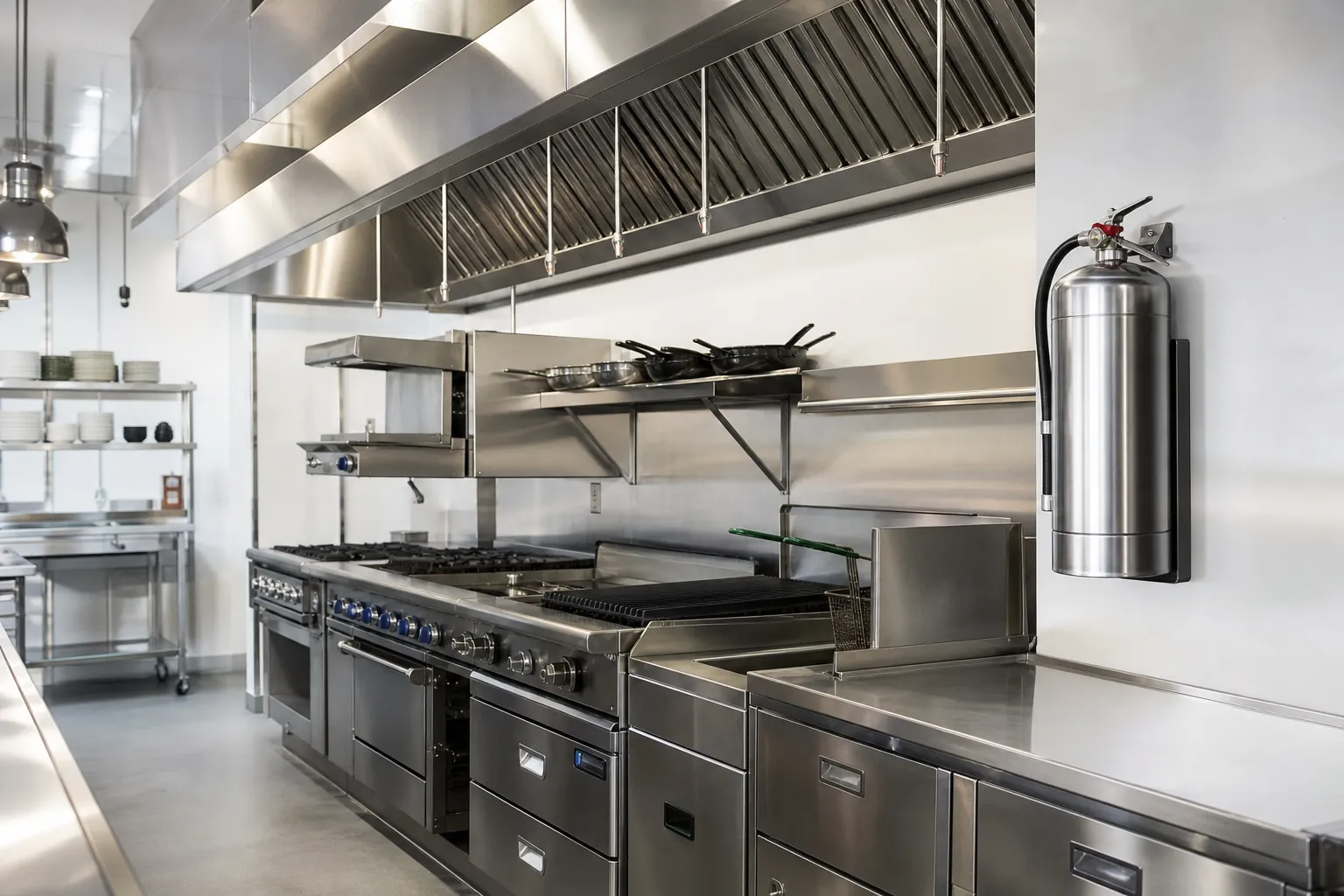
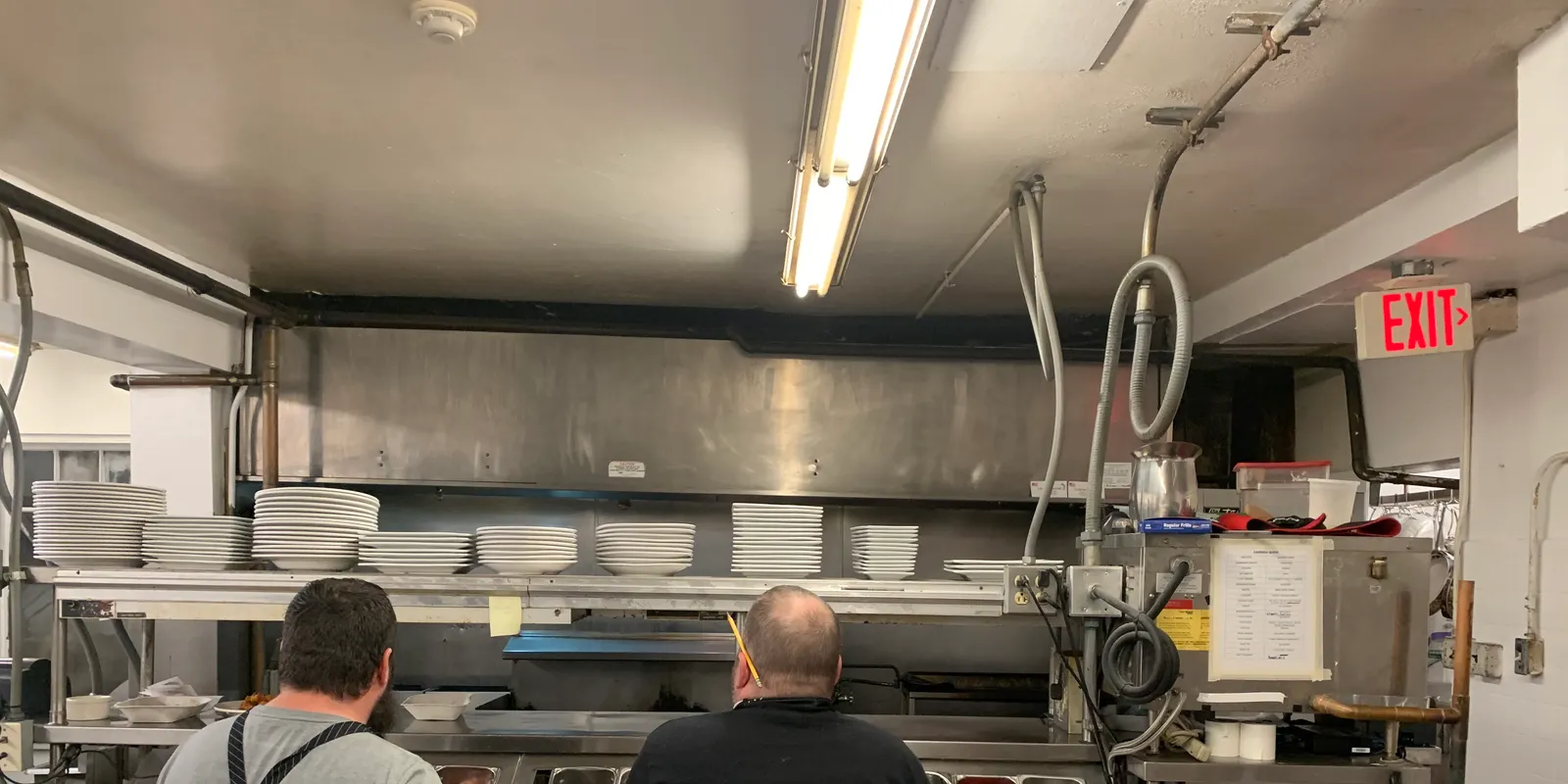
The cooking line is often the first place an inspector will want to understand. Confirm that the hood suppression system has been serviced by a qualified provider on the required schedule. The service tag should be current and readable, and the latest invoice or service report should be easy to produce. If the system protects a gas-fired appliance, verify that the shutoff arrangement functions as designed.
Your hood, duct, and grease-filter cleaning should match the needs of the operation. Cooking volume, equipment, fuel, and local rules all affect the proper interval. The kitchen exhaust standard, NFPA 96, is a helpful reference point, but your qualified cleaning provider and local fire authority should confirm what applies to your restaurant. Leave the cleaning sticker visible and retain the invoices.
- Check that suppression-system service records and tags are current.
- Make sure the hood, filters, and ductwork have been cleaned on the required schedule.
- Remove loose grease, cardboard, paper, and stored items from the cooking line.
- Ask a qualified provider to resolve any damaged nozzles, missing caps, or service notes before the visit.
Review extinguishers before they become urgent
Walk the restaurant as a guest or new employee would. Portable fire extinguishers should be visible, mounted where they belong, accessible, and marked with current service information. A commercial kitchen also needs the right extinguisher type close enough to the cooking hazard. Do not relocate or replace equipment based on a rule of thumb. Ask the fire-protection company or local authority to confirm the right placement and equipment for your layout.
The same preparation applies to the wet-chemical suppression system. NFPA 17Acovers wet chemical extinguishing systems, while the qualified service company can tell you whether the specific equipment in your kitchen needs attention. A current tag is useful evidence, but a tag is not a substitute for correcting a known problem.
Clear the easy housekeeping issues
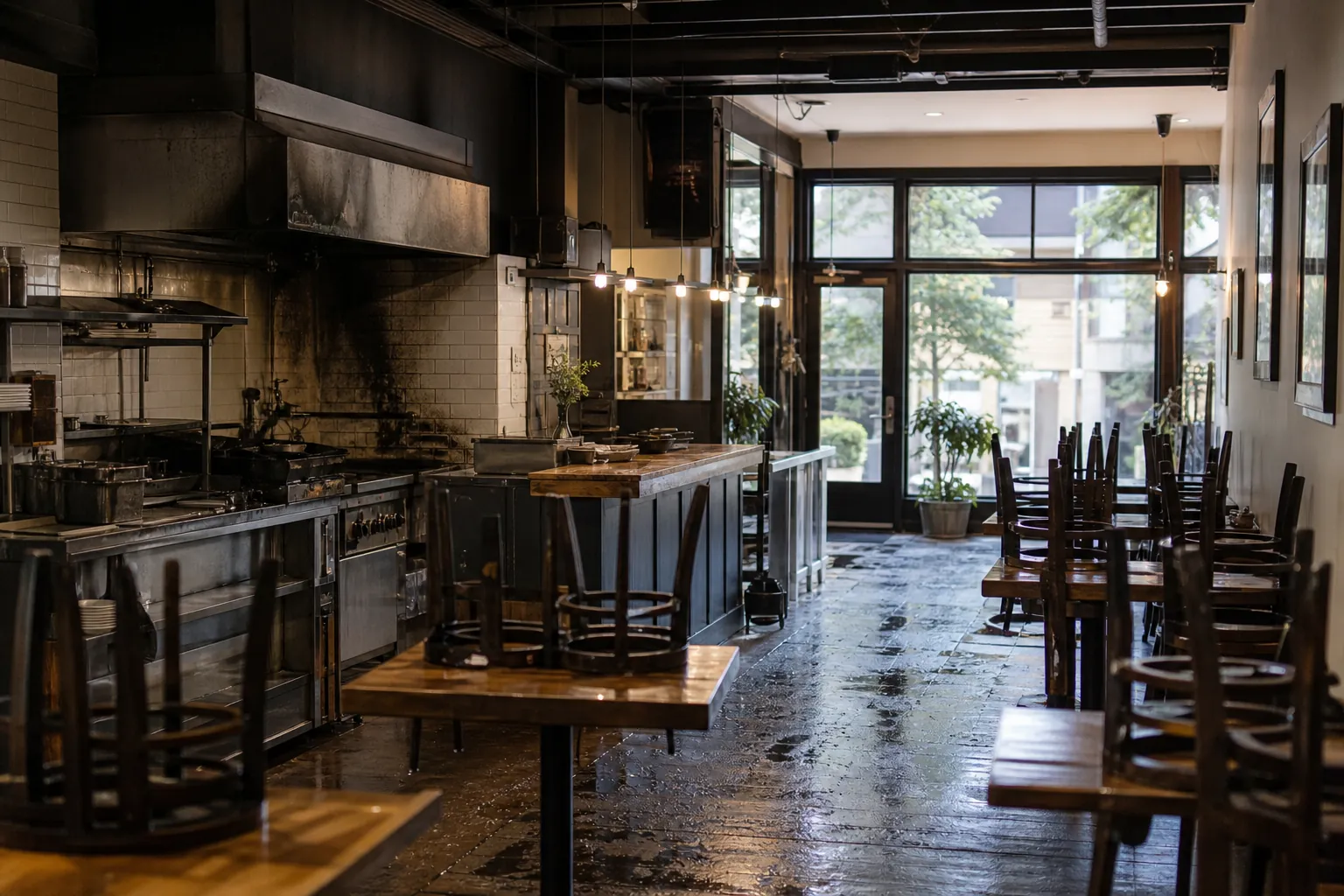
Good housekeeping is one of the most visible signals that a restaurant is managing its risk. Look beneath fryers and grills, behind equipment, in storage rooms, and around the water heater or furnace. Grease, lint, packaging, and unused supplies have a habit of collecting in places the daily routine misses.
Remove cardboard and other combustibles from mechanical equipment. Keep oily or grease-soiled linens in the appropriate covered container for your operation. Repair worn floor mats, loose cords, leaking equipment, and any condition that could create a slip, trip, fire, or electrical concern. The goal is not a staged cleanup. It is a safer routine that staff can keep up after the inspection is over.
Check exits, alarms, and electrical panels
Every exit route should be open and usable. Confirm that exit signs are illuminated, doors open as intended, and storage has not crept into corridors or in front of egress doors. Test the items that your manager normally checks, then arrange service for anything that is not working. Do not wait for the inspector to discover a failed sign or a blocked path during a busy shift.
Electrical panels deserve the same attention. Close open spaces with proper blanks, keep the panel area clear, and have a qualified electrician address damaged covers, exposed wiring, repeated breaker trips, or makeshift connections. Extension cords are not permanent wiring. A simple walk-through with fresh eyes can uncover issues that the team has learned to walk past.
Put the records in one place
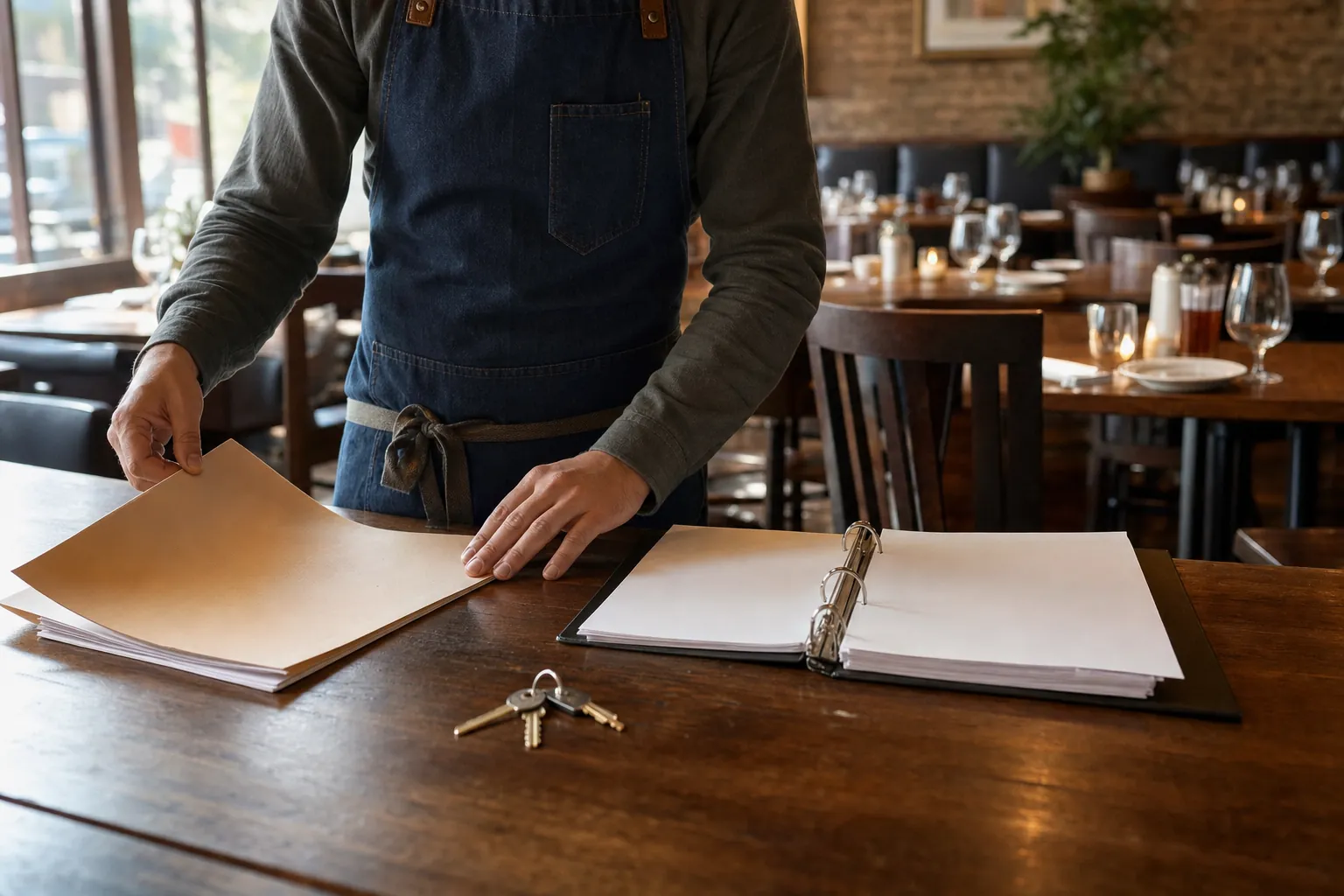
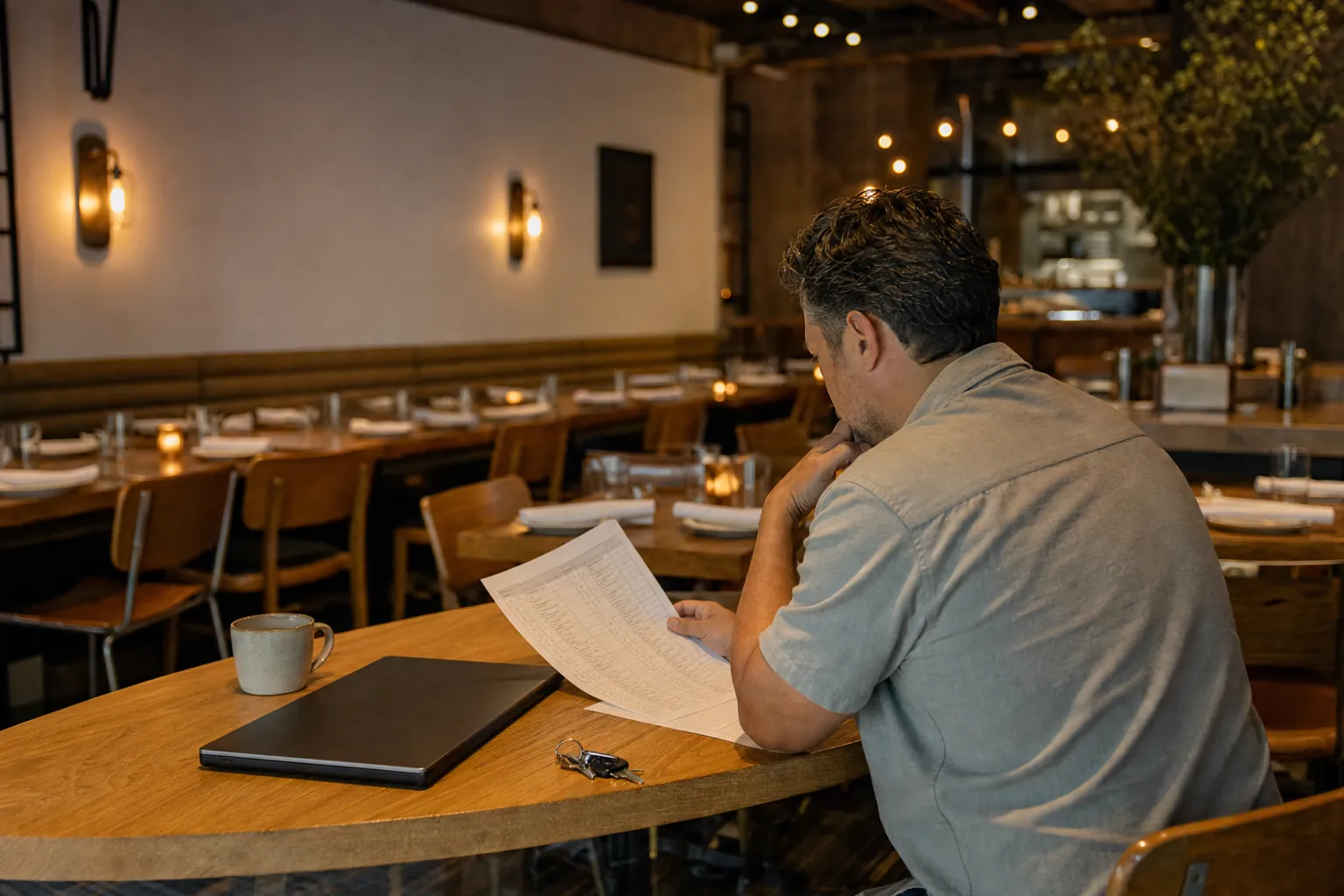
Inspection preparation is much smoother when records do not have to be hunted down between shifts. Build one accessible folder, paper or digital, with hood-cleaning certificates, suppression-system service reports, extinguisher records, invoices for completed repairs, and prior recommendations. Name one manager who knows where the folder is and can answer basic questions about the restaurant’s equipment and cleaning process.
If the inspector identifies something that needs attention, read the recommendation carefully, note the requested deadline, and ask a question promptly if the scope is unclear. Save photos, invoices, and completion notes when the work is finished. Clear documentation helps show that a recommendation was not ignored and reduces the chance of a preventable follow-up delay.
A quick pre-inspection checklist
- Confirm current service for the hood suppression system and portable extinguishers.
- Keep hood-cleaning documentation and service tags visible.
- Clear grease, storage, cardboard, and other combustibles from the cooking line and mechanical areas.
- Check exits, exit signs, alarms, electrical panels, and walking surfaces.
- Repair obvious maintenance issues rather than explaining them away.
- Gather service records, invoices, past recommendations, and proof of completed work.
- Assign one informed manager to accompany the inspector if needed.
This checklist is general preparation guidance, not a substitute for the requirements of your policy, local fire authority, equipment manufacturer, or qualified fire-protection professional. When those sources differ, follow the requirement that applies to your operation.
Turn the visit into a stronger operating routine
The best outcome is not simply getting through an inspection. It is leaving with a cleaner picture of how the restaurant protects its people, property, and ability to stay open. E&A Insurance Group can help Illinois restaurant owners talk through the insurance side of their operation and prepare for the questions that matter at renewal. Start with a free quote request or call 847-651-3834.
Questions owners ask
Restaurant insurance inspection FAQs
What does a restaurant insurance inspection usually look for?
The visit commonly focuses on conditions that can contribute to a property loss or make one worse, including the cooking line, fire protection, electrical equipment, exits, housekeeping, and maintenance records. The exact scope depends on the property, insurer, and operation.
What records should a restaurant have ready for an inspection?
Keep current service tags and invoices for the hood suppression system, hood cleaning, portable extinguishers, and any repairs or recommendations already completed. It also helps to have a manager who can explain the kitchen equipment, operating hours, and cleaning routines.
How often should a restaurant hood be cleaned?
The right interval depends on the cooking equipment, volume, fuel, and local requirements. Ask a qualified hood-cleaning provider and the authority with jurisdiction to confirm the schedule for your operation, then keep the service documentation where it can be found easily.
Can an inspection affect a restaurant’s insurance renewal?
Inspection findings can lead to recommendations for the owner to address. The effect on an individual policy depends on the condition, the insurer’s requirements, and whether the requested work is completed by the deadline. Treat each recommendation as a prompt for a clear, documented follow-up.