Catering is not simply restaurant work in another location. A caterer may prepare food in one kitchen, load it into a vehicle, set up in a venue it does not control, work around other vendors, serve guests, and pack up under a tight deadline. Each handoff creates a detail worth bringing into an insurance conversation.
Catering operation insurance is best understood as a review of the whole business, not a label to check off on an application. The useful question is: what does the team do, where does it do it, what does it bring, and what has it promised to the client? This guide helps Illinois caterers organize those questions before a new event, renewal, venue request, or quote review.
Start with the service model
Describe the actual work, not just the word “catering.” A drop-off lunch, staffed wedding, corporate buffet, private dinner, festival booth, food truck event, and recurring office account can involve very different responsibilities. Note whether the business cooks on site, rents equipment, delivers food, handles setup and cleanup, supplies servers, works at private homes, or operates under someone else’s venue rules.
Include the exceptions. A caterer may usually deliver boxed lunches but occasionally accept a large outdoor event with temporary cooking, rented tents, late service, generators, or a remote loading area. Those one-off jobs can be the details that change the coverage discussion. A simple event profile helps: record the date, venue, guest count, service style, staff, equipment, food preparation plan, alcohol role, and any special contract request before the job is confirmed.
Illinois temporary food operations often work in connection with fairs, festivals, and community events. The Illinois Department of Public Health explains that these operations are food-service businesses selling food on site for an event or celebration. Review the applicable local food-safety and permit requirements as part of the event plan, rather than treating the insurance file as a separate task.
Venue requirements need time, not a last-minute certificate
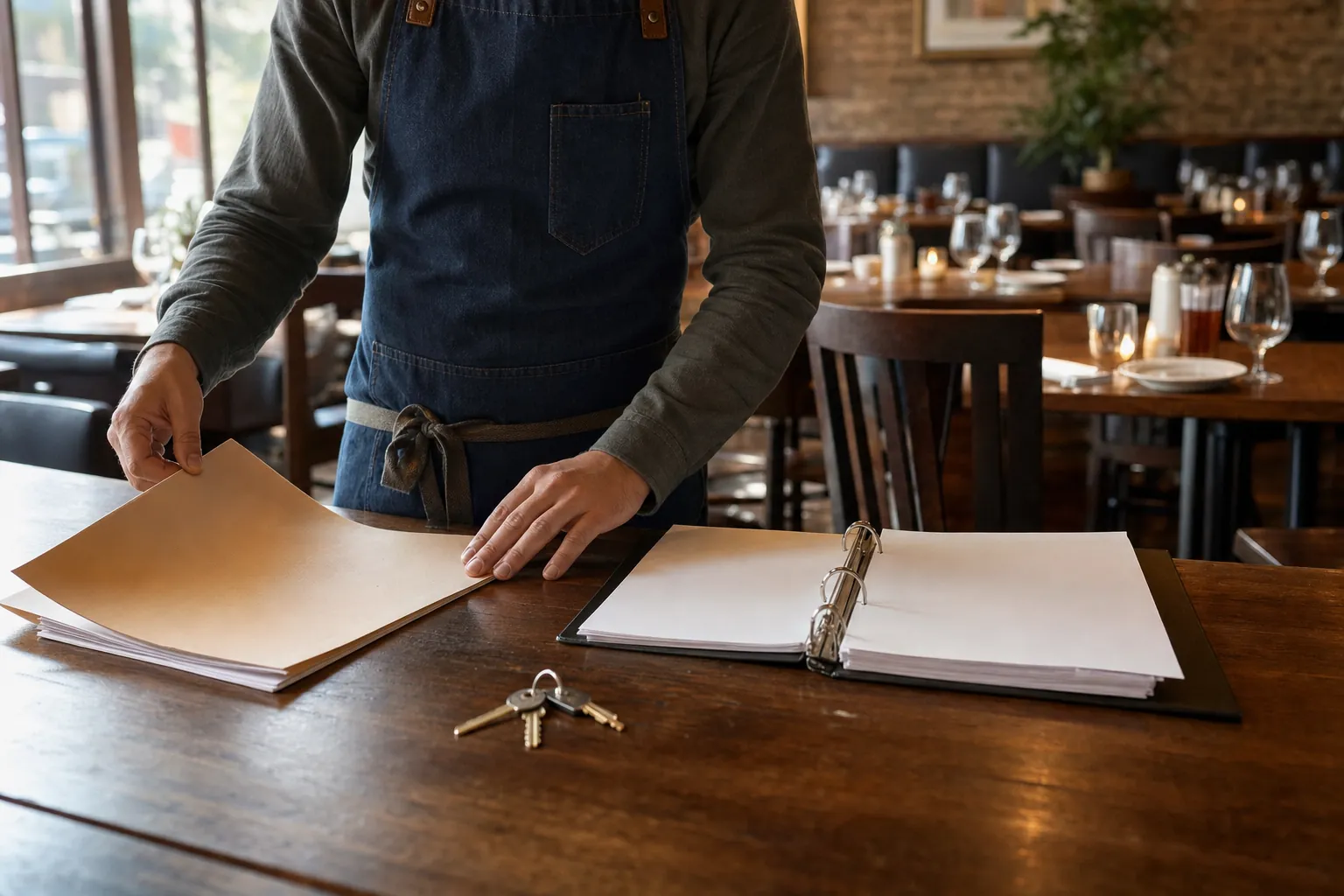
Many catering jobs come with a venue packet, client contract, or request for proof of insurance. Read it before agreeing to the event. It may ask for particular liability limits, an additional insured, a certificate, responsibility for rented property, or terms about loading, cleanup, alcohol service, and subcontractors. Those requirements can affect what the business needs to discuss before making a promise to the client.
A certificate confirms evidence of coverage. It does not change the policy or fix a mismatch between the written agreement and the operation. Keep common venue requirements and sample contracts in one place. Over time, patterns become easier to spot: one venue may have a routine request while another may require more time for review. That gives the booking team a better way to set expectations early.

Do not rewrite contract language or promise unfamiliar wording on the fly. Flag it, describe the event accurately, and ask for guidance. This is especially important when the agreement assigns broad responsibility for the venue, another vendor’s work, rented items, or alcohol service. The best time to find a gap is while there is still time to clarify the job, not while the team is unloading.
Vehicles and mobile equipment belong in the review
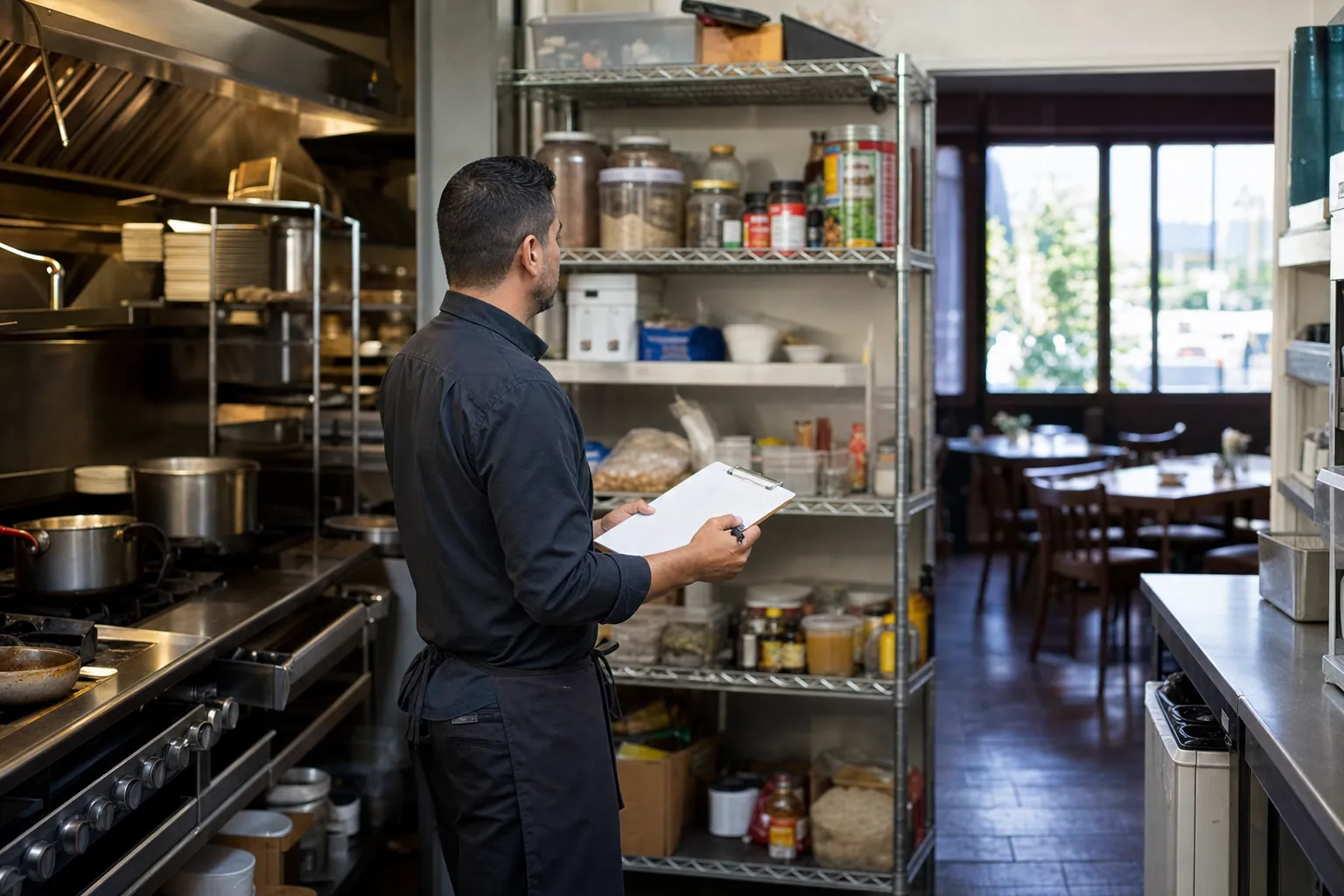
A catering operation often moves more than food. It may transport insulated carriers, hot boxes, tables, serving pieces, refrigeration, point-of-sale devices, tents, generators, rentals, and staff. List what the business owns, leases, borrows, rents, stores, and takes to events. Keep purchase records and a current photo inventory. Those practical records can make a renewal or claim conversation much less frantic.
Be specific about vehicles as well. Does the business own a van? Do employees make deliveries in their own cars? Does anyone tow a trailer? Are deliveries made from a shared kitchen, a restaurant, a commissary, or a storage location? E&A’s commercial auto coverage overview is a useful starting point for the questions to raise. The point is not to guess which policy applies. It is to make sure the reviewer understands how the operation gets food, people, and equipment to the event.
Storage matters too. Equipment may be kept in a commercial kitchen, warehouse, shared commissary, vehicle, or owner’s garage. Tell the reviewer where it lives and who is responsible when it is off site. Property that is rented, borrowed, left overnight, or stored away from the main kitchen can create a different conversation than equipment that stays in one controlled location.
Staff and food service create everyday risk questions
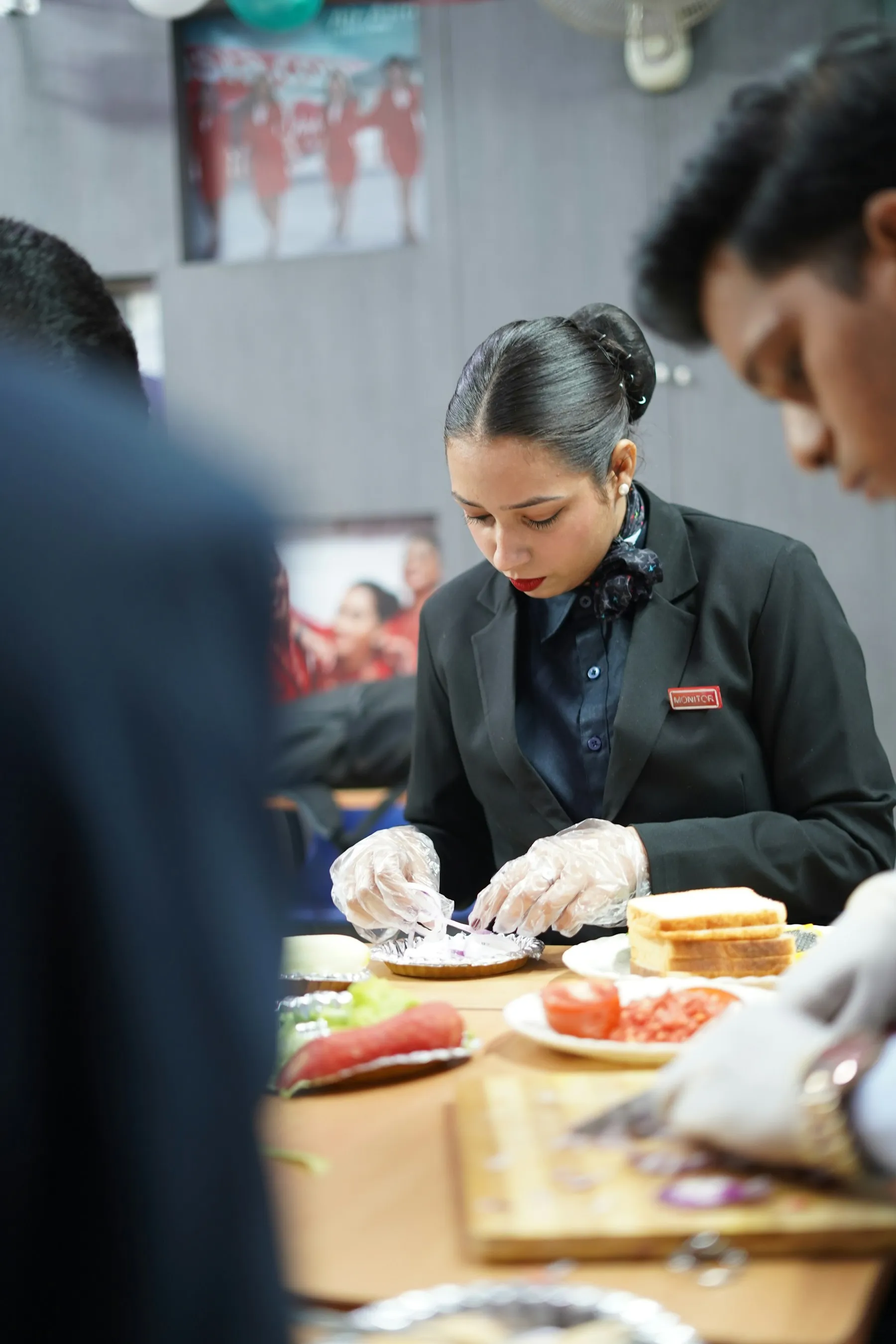
Catering teams lift supplies, carry hot food, work around wet floors, use knives, drive between locations, and set up under time pressure. Payroll, job roles, seasonal staffing, drivers, kitchen work, event crews, and subcontractors all help describe the real operation. E&A’s workers’ compensation guide for restaurant teams covers injury patterns that can be relevant to catering, including cuts, lifting, slips, and fast-paced kitchen work.
Operational routines support the coverage review. Assign a lead for the event, confirm loading paths and equipment condition, establish who can stop service if a condition is unsafe, and record incidents while the facts are fresh. If something happens, the restaurant incident report guide can help the team capture useful facts without jumping to conclusions or making coverage promises.
Build the same discipline into the handoff between sales, kitchen, delivery, and event teams. The person accepting a booking may know the guest count and menu, while the person loading the van knows the equipment, and the event captain sees the venue conditions. A short pre-event review makes it easier to connect those facts before they become a rushed question on the day of service. It also helps the business notice when a familiar client is asking for an unfamiliar type of work.
Alcohol service deserves a separate conversation
Alcohol can change the event and the information an insurer needs. State clearly whether the caterer supplies beverages, manages the bar, employs bartenders, takes payment for alcohol, works under a host’s license, or provides food while another vendor controls the bar. Event type, guest count, service hours, training, written agreements, and the facts of the operation can all matter.
Illinois law includes dram shop provisions concerning injuries or property damage caused by an intoxicated person, and the Illinois Liquor Control Commission outlines licensing information for businesses that sell or serve alcohol. The legal and licensing details deserve their own qualified review. For the insurance conversation, the practical move is simpler: describe exactly who does what. E&A’s restaurant liquor liability guide explains why general liability and liquor-related coverage should not be treated as interchangeable.
A catering operation review checklist
- List every service offered, including delivery-only work, staffed events, on-site cooking, rentals, and bar service.
- Record event locations, largest guest counts, service hours, and any work that differs from the usual job.
- Bring venue packets, client contracts, certificate requests, and lease requirements into the review before accepting a complex event.
- Document who provides, serves, supervises, and sells alcohol.
- Update revenue, payroll, staff roles, drivers, seasonal workers, and subcontractors.
- List business vehicles, employee driving arrangements, trailers, delivery routes, and mobile equipment.
- Inventory equipment and note where it is owned, rented, borrowed, stored, and used.
- Share new locations, kitchen arrangements, claims, incidents, and material changes in service.
- Ask how policy limits, deductibles, endorsements, and exclusions relate to the work actually being performed.
How E&A helps caterers prepare
E&A Insurance Group brings restaurant owner-operator experience to the catering conversation. That keeps the review tied to the moving parts behind each event: the kitchen, the vehicle, the crew, the venue, the contract, the equipment, the alcohol role, and the next job on the calendar.
Our Illinois caterer insurance page outlines coverage areas worth reviewing for an event-focused food business. When you are ready to compare the way your operation works with the protection in place, request a free coverage review and bring the details that make each event different.
Questions caterers ask
Catering operation insurance FAQs
What insurance does a catering operation need?
The answer depends on the work the caterer performs, where it happens, the people and property involved, and the contracts the business signs. General liability, property or equipment coverage, commercial auto, workers’ compensation, and liquor-related coverage are common discussion areas, but the actual policy terms and the operation determine what fits.
Does a catering business need commercial auto insurance?
A caterer that owns, leases, or regularly uses vehicles for deliveries, food transport, equipment, or staff should raise that information in the coverage review. Personal vehicles, employee drivers, trailers, and delivery routes can all change the questions that need to be answered.
Can a venue require a caterer to provide proof of insurance?
Yes. A venue or client may ask for a certificate, specific limits, additional insured wording, or other contract requirements. Review those requests before accepting the job. A certificate is evidence of insurance, not a substitute for checking whether the policy and contract fit the event.
Does alcohol service change catering insurance needs?
It can. The relevant facts include who provides, sells, serves, and supervises alcohol, as well as the event agreement and the policy wording. General liability and liquor-related coverage are different conversations, so describe the service model clearly before assuming one policy responds to every alcohol-related situation.
Food-service guidance: Illinois Department of Public Health. Alcohol-service legal context: Illinois Compiled Statutes.