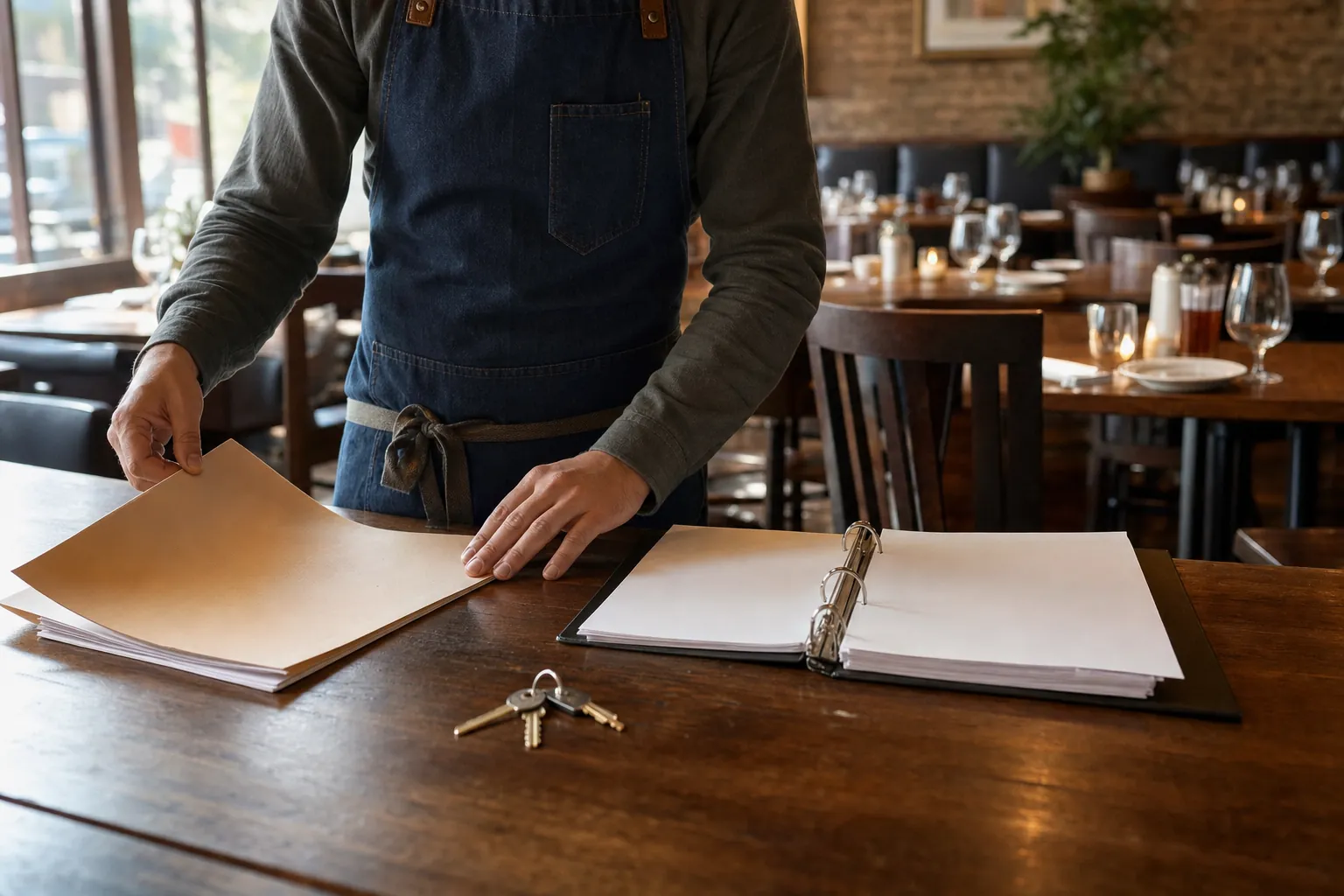
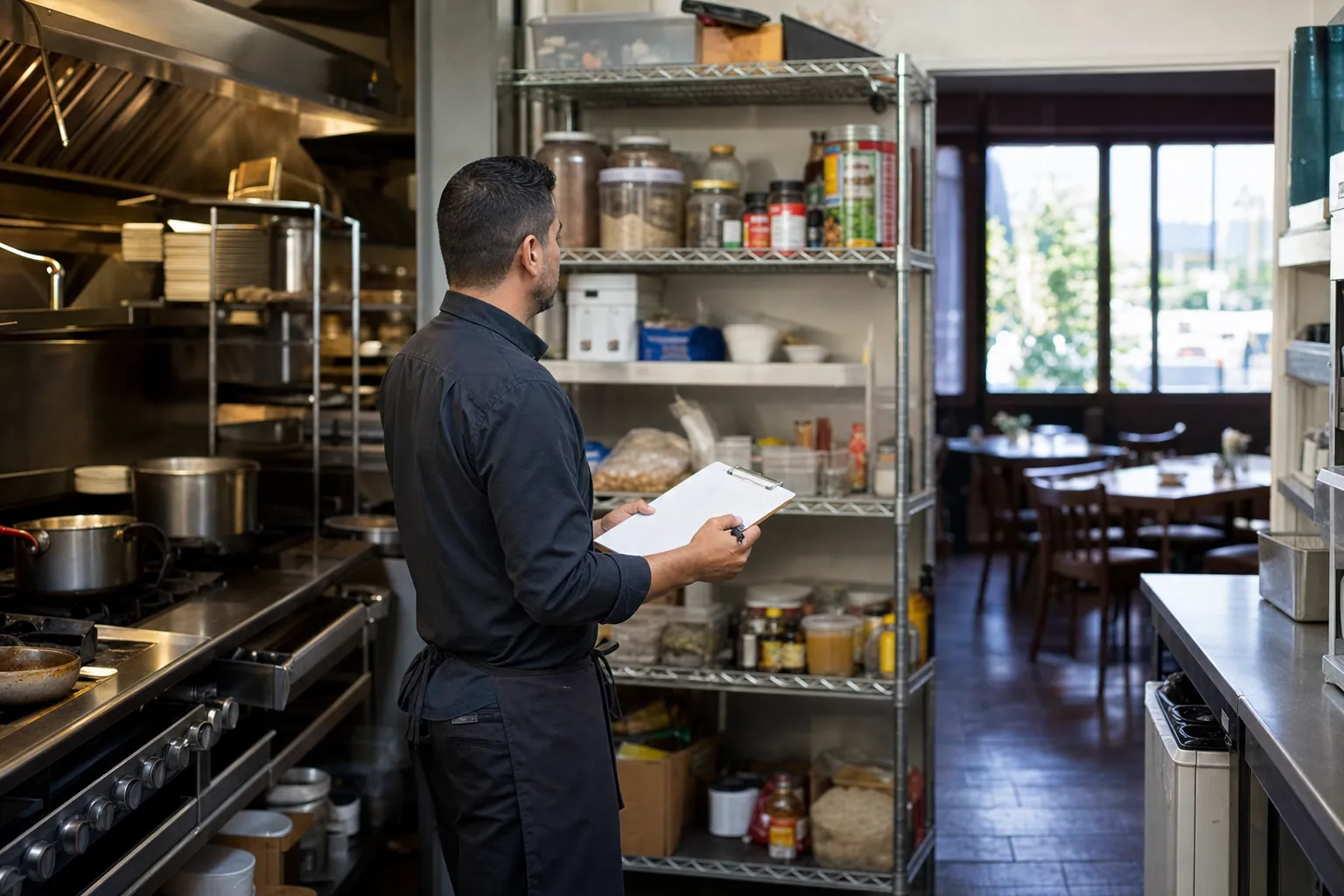
A restaurant incident report is a practical record of what happened, not a place to decide who is at fault. When a guest falls, an employee is hurt, a piece of equipment fails, a confrontation occurs, or a close call exposes a hazard, the first priorities are safety and a calm response. The report comes next, while the facts are still clear.
The best report is timely, specific, and boring in the right way. It captures observations, names the people involved, preserves useful details, and gives the restaurant a way to confirm that an unsafe condition was corrected. That helps managers protect guests and employees, keeps important information from being lost between shifts, and gives the insurance conversation a more reliable starting point when one is needed.
Start with safety, not paperwork
Take care of the person and the immediate condition first. Call emergency services when the situation requires it, give appropriate first aid within the team's training, and keep guests or employees away from an unsafe area. A wet floor may need to be dried and marked. A broken chair may need to be removed. A damaged appliance may need to be taken out of service. The report should never distract a manager from the response that is needed in the moment.
Once the area is stable, identify who will document the event. One calm manager should normally lead the record. Multiple people writing competing accounts or trying to recreate details from memory later makes a simple incident harder to understand. The manager can ask staff to preserve information, take permitted photos of the condition, locate a witness, or secure a piece of equipment while the facts are documented.

Write down the facts while they are fresh
Begin with the basics: date, time, exact location, weather or lighting conditions when relevant, names and contact details for people involved, the manager on duty, employees nearby, and witnesses. Then record what the manager personally observed. Was there water near the entry? Was a cart left in an aisle? Did an employee report a burn while removing a pan? Did a guest say they tripped on a chair leg? Facts belong in the report. Conclusions do not.
Use plain language. “The manager observed a wet area near the entrance at 6:10 p.m.” is clearer than “The restaurant was negligent.” “The employee stated that she felt pain after moving a case of product” is more useful than a theory about the injury. Avoid guessing about medical outcomes, promising payment, deciding liability, or saying a policy will cover the event. Policy terms, legal duties, and claim decisions need their own review.
A manager should also document the steps taken: area blocked off, floor dried, equipment removed, first aid offered, emergency services contacted, supervisor notified, or maintenance requested. This makes the report useful as an operating record, not only as a file that is opened after a dispute.
Keep the guest or employee account separate from the manager's observations
People involved in an incident may describe the event differently. Record their account accurately without rewriting it into the manager's voice. If a guest says they slipped near a restroom, note that statement and the time it was given. If an employee says a task caused discomfort, document the task, the employee's statement, and who was notified. Do not pressure anyone to change their wording or sign a statement they do not understand.
For employee injuries, the restaurant should follow its reporting process promptly. Illinois employers and employees should understand the state's workers' compensation guidance and reporting responsibilities through the Illinois Workers' Compensation Commission. The immediate report is still a factual workplace record, not a substitute for the separate steps a claim may require.
Preserve details without turning the report into an investigation
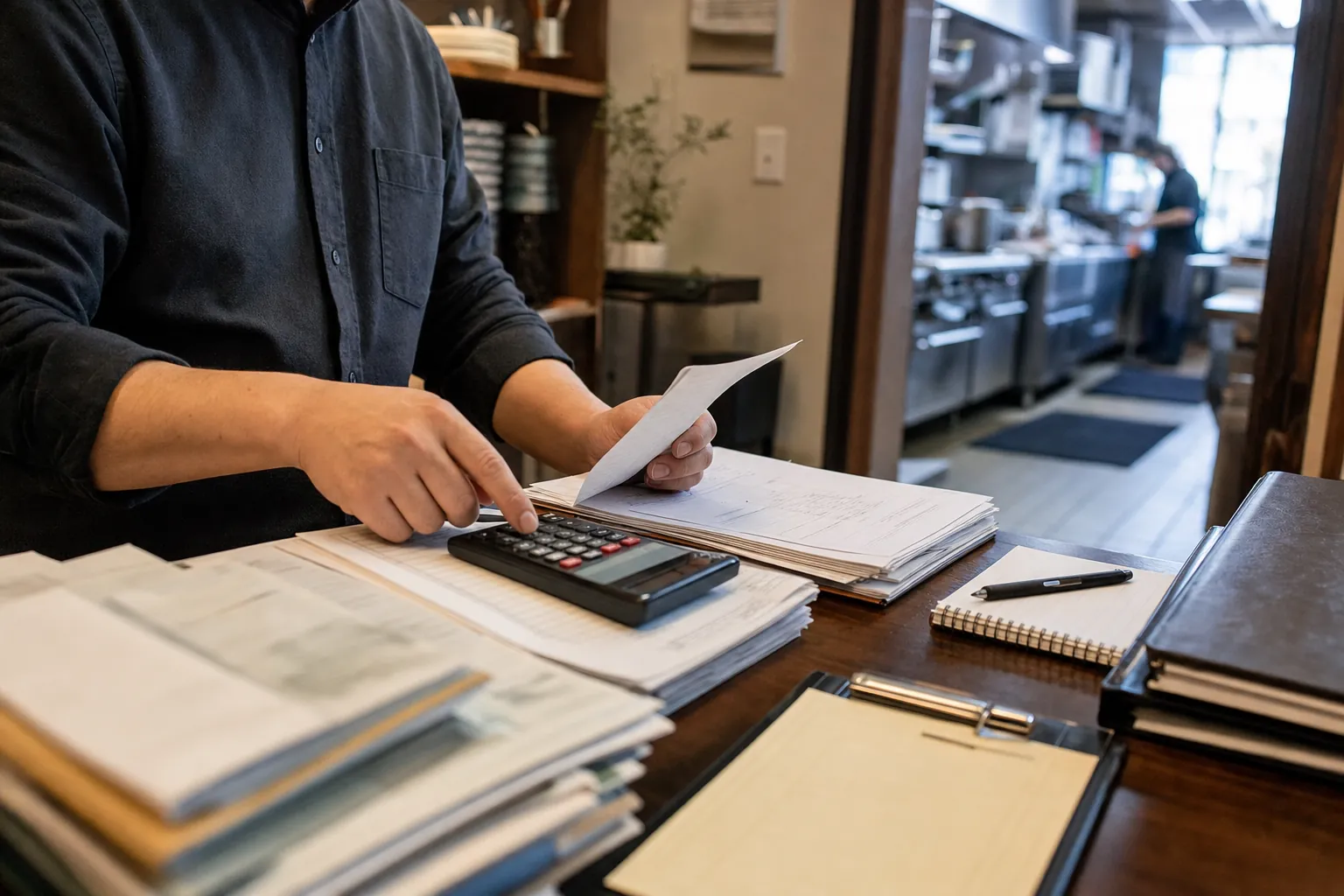
Useful details can disappear quickly in a restaurant. A spill is cleaned up, a receipt is discarded, a camera system overwrites a recording, a shift changes, or a damaged item is replaced. Preserve what is reasonably available under the business's normal practices: photos of the condition, manager notes, a copy of the schedule, maintenance logs, receipts, table or order records when relevant, witness names, and available camera footage. Make a note of what was preserved and where it is stored.
That does not mean a manager should interrogate people or collect every piece of information imaginable. Keep the response proportional. The goal is to retain the facts that explain the setting, the event, and the immediate response. Do not alter, delete, annotate, or casually circulate records after the event. Keep access limited to the people who need to handle the matter responsibly.
For a guest incident, the physical setting often matters as much as the conversation. Note the path the guest was using, what the floor or furniture looked like when the manager arrived, whether the area had already been checked, and whether weather, a delivery, cleaning, lighting, or a service rush may have changed the condition. Avoid filling gaps with assumptions. A report can say that a manager did not see the event happen. It should not guess at what occurred before the manager arrived.
For a property or equipment incident, identify the item, its condition, and what the team did to prevent more damage. A refrigerator failure, water leak, electrical concern, or cooking-line issue can have a direct effect on food, safety, service, and revenue. Keep service records, maintenance contact information, and invoices together so the restaurant can quickly explain what was maintained, what failed, and what was done next. That preparation also supports the practical questions in E&A's restaurant insurance inspection checklist.
Use near misses to improve the next shift
Not every report follows an injury. A delivery cart that nearly hits a server, a loose mat that is noticed before a guest slips, or a fryer that starts behaving unpredictably can all be worth recording. Near-miss reporting gives the restaurant an opportunity to fix a condition before someone is hurt or service is interrupted.
That follow-up should be simple and visible: identify the issue, assign the next action, set a due date, and confirm it is complete. E&A's before-shift restaurant safety checklist is useful for the daily conditions that managers should notice early. For broader routines, the restaurant risk management checklist helps owners connect safety, property, records, contracts, and coverage decisions.
Review the report at the next manager meeting or shift handoff when the event reveals a pattern. A slippery floor at the same entrance, repeated strain while moving product, a recurring equipment problem, or confusion about who can close off an area calls for a clear adjustment. That might be a repair, a different storage setup, a revised opening check, better signage, a vendor call, or a hands-on reminder for the team. The important step is to close the loop instead of treating the report as proof that someone typed something down.

Know when the report needs another call
An incident report is the start of a response, not always the end. A serious injury, demand for payment, attorney letter, threat of litigation, allegation of discrimination or harassment, property damage, food-related complaint, or event involving alcohol can require prompt notification to the appropriate insurance contact and qualified legal or employment advisors. Review the policy's reporting instructions rather than waiting for a situation to become more complicated.
It helps to decide in advance who can make that notification and where the current policy information is kept. A manager working late should not have to search a personal inbox for a carrier name or try to remember who handles the restaurant's account. Keep a current contact list with the policy documents, emergency vendors, lease contacts, and leadership escalation path. Managers do not need to settle a claim. They do need to know who takes the next call.
Restaurants should also remember that an event may involve more than one kind of exposure. A guest injury can involve the condition of the premises. An employee injury can affect staffing and workers' compensation questions. A kitchen problem can interrupt service and damage property. E&A's Illinois restaurant liability guide, workers' compensation coverage guidance, and business interruption article explain how these questions can connect without assuming one policy answers every situation.
A restaurant incident report checklist
- Record the date, time, exact location, and manager on duty.
- List the people involved and witnesses, including contact details when appropriate.
- Write observations and direct statements separately, using factual language.
- Document immediate care, safety controls, calls made, and property actions.
- Preserve relevant photos, video, schedules, receipts, maintenance records, or equipment information.
- Assign follow-up work and verify that the unsafe condition was corrected.
- Notify the appropriate insurance or professional contacts when the policy or situation calls for it.
How E&A helps restaurant owners prepare
E&A Insurance Group brings more than 35 years of restaurant owner-operator perspective to insurance conversations. That matters after an incident because a restaurant is trying to care for people, protect the operation, document what happened, and keep service moving at the same time. A clear coverage review can help owners know which details need attention before a difficult day puts the team under pressure.
Use this guide to strengthen the restaurant's response routine, then visit E&A's coverage overview or send a free quote request when it is time to discuss the operation behind the policy.
Questions owners ask
Restaurant incident report FAQs
What should a restaurant incident report include?
Include the date, time, location, people involved, witnesses, factual observations, immediate steps taken, and the manager completing the report. Keep the report factual and avoid guesses about fault or coverage.
Should a restaurant make an incident report for a near miss?
Yes. A near miss can reveal a slippery entrance, damaged chair, blocked path, equipment issue, or training gap before someone is injured. A short report gives the team a chance to correct the condition and confirm that the follow-up happened.
What is different about an employee injury report?
Care for the employee first, then follow the employer's reporting process and the policy's claim-reporting requirements. In Illinois, the employee and employer may each have separate responsibilities, so a manager should avoid delaying the report while trying to decide fault.
Should a manager admit fault in an incident report?
No. Record what was seen, heard, and done. Avoid blame, conclusions, altered notes, or promises about payment or coverage. A factual report is more useful to the business, its advisors, and anyone reviewing the event later.