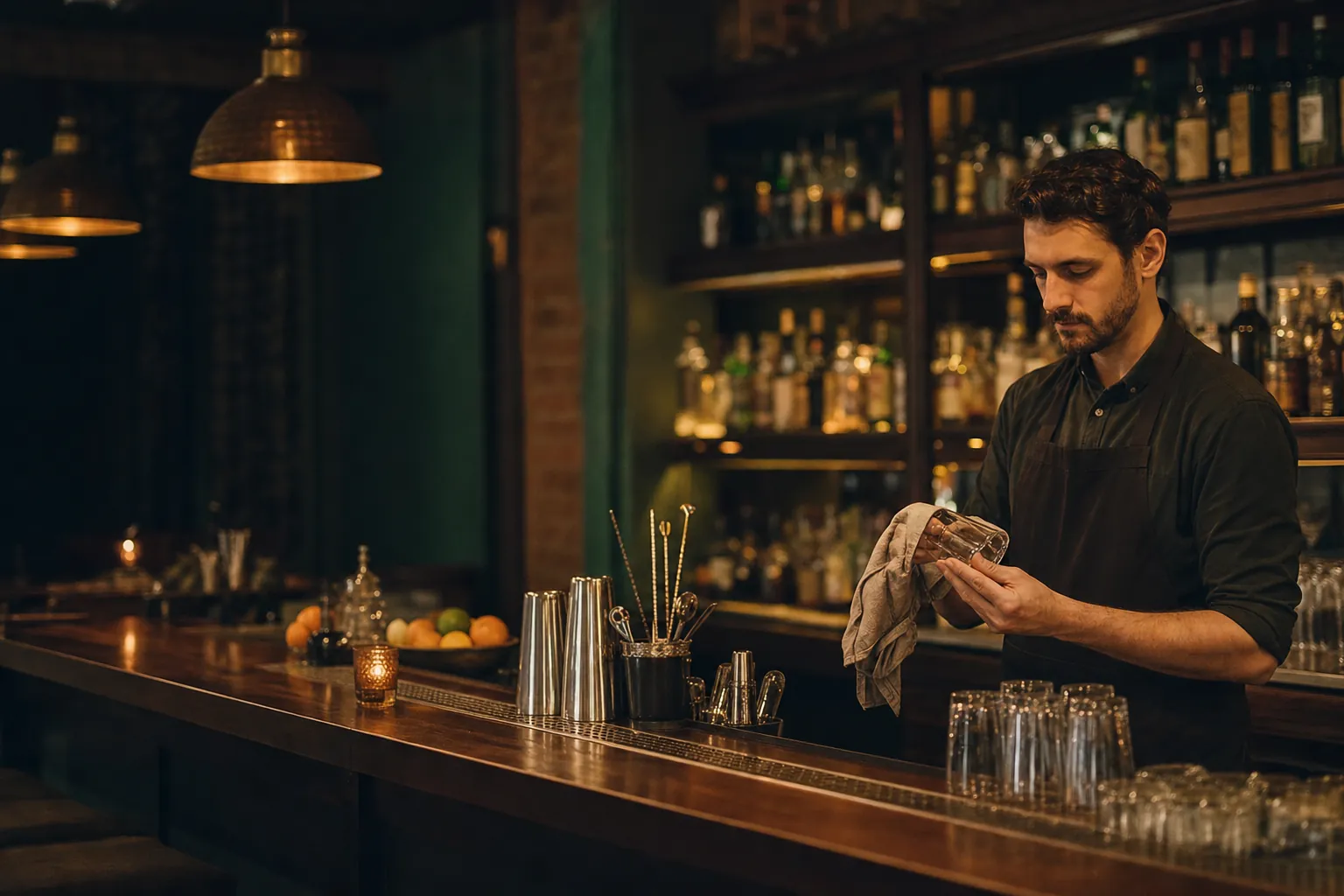
When a restaurant or bar serves alcohol, a generic insurance conversation is not enough. Your coverage should reflect the real operation: the guests you welcome, the hours you keep, the drinks you serve, the people managing the room, and the events or services that extend beyond an ordinary dinner shift.
E&A Insurance Group helps Illinois food and beverage owners review liquor liability in the context of the entire business. That means looking beyond a policy label to the details that can change the conversation, including a full bar, beer and wine service, late hours, a patio, private events, catering, delivery, multiple locations, and the contracts tied to the operation.
The perspective is practical because it comes from more than 35 years on the restaurant owner-operator side. Tom Traina has owned Subway franchises, an independent fast-casual restaurant, and a full-service restaurant and bar with property. E&A understands that alcohol service is one part of the guest experience, but it can affect decisions across the coverage program.
Start with how alcohol fits into the operation
A neighborhood restaurant that offers a glass of wine with dinner does not operate like a late-night tavern, a banquet hall, or a restaurant with a busy cocktail program and private events. Those differences matter. The most useful insurance discussion begins with what a normal shift looks like, then works through what changes during a crowded weekend, special event, catered function, or seasonal rush.
Be ready to describe how alcohol is sold and served, whether guests order at a bar or table, who can serve it, how managers handle a difficult interaction, and whether the business hosts events or serves off-site. Include every location and legal entity, as well as any patio, delivery, catering, gaming, or entertainment activity. A complete picture makes it easier to ask the right questions before an incident or renewal puts everyone under pressure.
Contracts belong in the conversation too. A landlord, lender, franchisor, event venue, vendor, or delivery partner may require certain limits, certificates, or additional insured language. Bring those documents forward early. They are part of how the business operates, not paperwork to solve at the last minute.

Review liquor liability with the rest of your coverage
Liquor liability is often discussed alongside general liability coverage, but a restaurant owner should not assume that one familiar policy name answers every alcohol-related question. The policy wording, limits, exclusions, endorsements, conditions, and facts of a claim all matter. Reviewing the policies together helps you understand where the program is designed to respond and where a closer look is needed.
The rest of the business still needs attention. Commercial property, business interruption, workers compensation, product liability, commercial auto, cyber, equipment breakdown, and umbrella coverage can all be relevant depending on the operation. A loss rarely arrives in a tidy category, so the goal is to understand how the pieces fit around the restaurant, the property, the staff, and the income the business depends on.
An independent review can also help you compare more than premium. A lower number may come with a different limit, deductible, exclusion, endorsement, or scheduled activity. The right question is not simply whether a quote is cheaper. It is whether the protection makes sense for the work you are asking the business to do every day.
Illinois owners should keep the details current
Illinois restaurant and bar owners have operating details that are worth raising before renewal. A liquor license, lease, lender request, local requirement, event contract, or change in service style can affect what needs to be discussed. Keep the people handling your coverage informed when the business changes, rather than relying on last year's application to tell the whole story.
This is not legal advice, and an insurance policy is not a substitute for good operating judgment or professional legal guidance when it is needed. It is a reason to bring the owner, manager, insurance advisor, and other appropriate professionals into the conversation early. A restaurant should understand the protection it has in place before a busy season tests it.
For Illinois restaurants across Chicagoland, that conversation can begin with the practical realities of service. Is the restaurant adding a bar? Expanding the patio? Opening a second location? Booking more private events? Extending hours? Starting delivery or off-site catering? Each change is a useful reason to revisit the coverage approach.
Questions to bring to a liquor liability review
A good review should make the next decision clearer, not create more jargon. Start with the information that helps E&A understand the operation, then ask direct questions about how the policy works and what needs to be updated. The discussion commonly includes:
- How alcohol is sold and served, including beer and wine, bar service, promotions, events, catering, and off-site activity.
- Every location, legal entity, and activity that should be named or scheduled on the policy.
- The role of managers, servers, bartenders, and any staff training or incident-response practices.
- Lease, lender, franchise, venue, vendor, or delivery-partner insurance requirements.
- How general liability, liquor liability, umbrella coverage, and other policies work together.
- Any changes in alcohol sales, hours, events, delivery, staffing, ownership, or property since the last review.
You do not need every answer before the first conversation. You do need a candid description of the business and the changes ahead. That is enough to move the discussion away from generic assumptions and toward the priorities that matter for your operation.
Do not wait until renewal to raise a change
Renewal is an important checkpoint, but it should not be the only time liquor liability gets attention. Contact E&A when the business opens another location, expands a patio, starts serving alcohol, introduces a different beverage program, takes on more catering, hosts larger events, changes ownership, buys property, or keeps later hours. These are business decisions that can change the facts behind the policy.
A quick conversation before the change gives you time to gather documents, understand tradeoffs, and address contract questions. Waiting until a certificate is due or an incident occurs turns a manageable review into a rush. Restaurant owners have enough moving parts during service. Insurance should be one area where the details are already in view.
Get a quote built around the real work
E&A works with restaurants, bars, taverns, pizzerias, food trucks, banquet halls, convenience stores, liquor stores, franchises, and other food and beverage businesses. You can see the range of operations the team supports on the businesses we insure page.
When you request a quote, start with the operation you run today and the changes you expect tomorrow. Share the locations, service style, alcohol program, payroll, sales, property, prior coverage, claims history, contracts, and planned growth. E&A can help you organize the questions so you can make a clearer decision about the coverage around your business.
For a broader look at restaurant coverage, visit E&A's Illinois restaurant insurance page. For a practical owner guide focused on alcohol service, read the liquor liability guide for restaurants.
Frequently asked questions
Is liquor liability the same as general liability insurance?
Not necessarily. General liability and liquor liability can address different exposures, and the exact protection depends on the policy wording, endorsements, exclusions, limits, and the way the business operates. Review both together instead of assuming one automatically handles the other.
Should a restaurant that only serves beer and wine review liquor liability?
Yes. A beer and wine program can still bring distinct coverage questions. Catering, private events, patios, extended hours, delivery activity, and the way alcohol is served can all affect the conversation.
What should I bring to an Illinois liquor liability review?
Bring a clear description of alcohol sales and service, locations, hours, events, catering, delivery, staffing, training practices, prior incidents, contracts, and any planned changes. Lease or lender insurance requirements are useful to have on hand too.
When should a bar or restaurant revisit liquor liability coverage?
Revisit it when the operation changes, not only at renewal. Adding a bar, patio, event program, location, delivery service, catering activity, later hours, new ownership, or a different concept can all justify a fresh conversation.