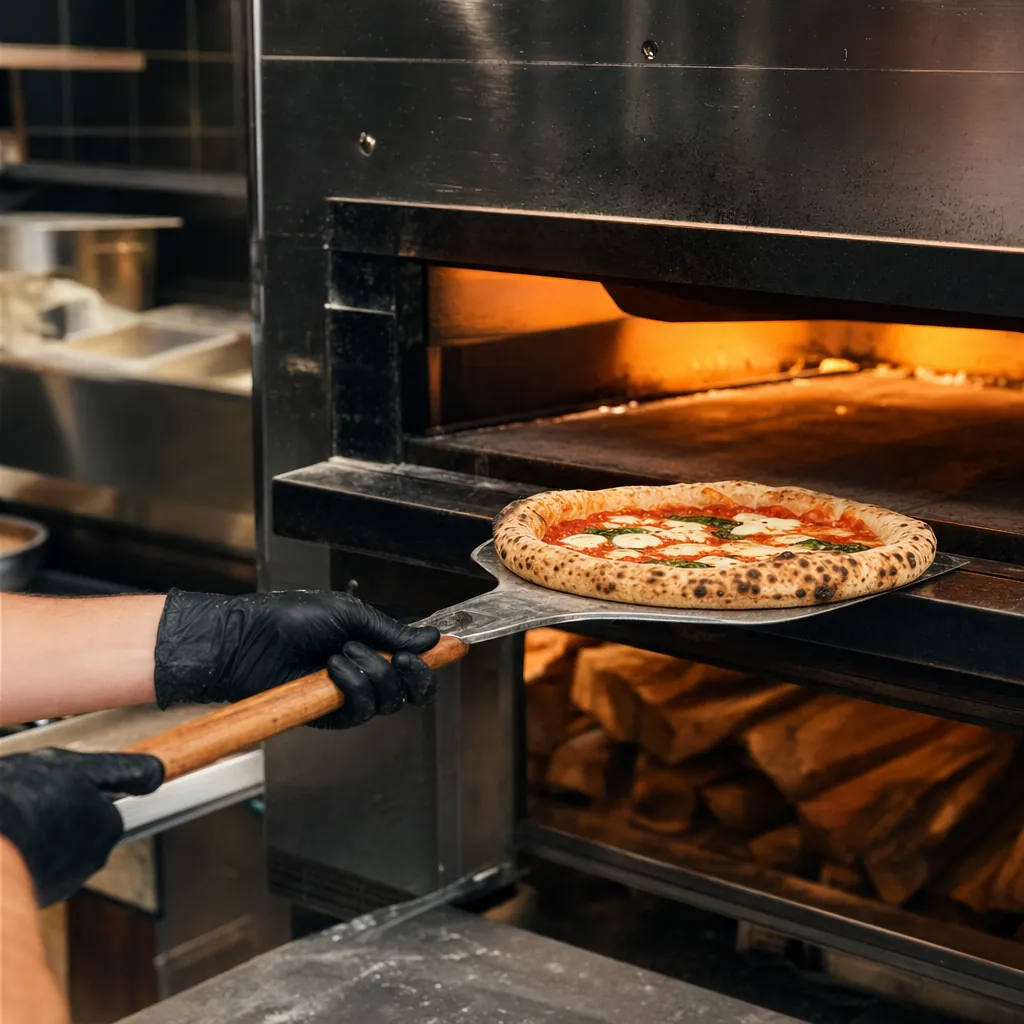
Restaurants are active workplaces. Kitchens, dining rooms, storage areas, delivery activity, opening and closing duties, and fast-paced shifts all create a working environment that deserves careful attention. Workers compensation is about more than a policy requirement. It is part of protecting the people who prepare, serve, clean, manage, and keep the business moving.
Build the review around the work people actually do
Job titles do not always tell the whole story. A cook may prepare food, receive inventory, clean equipment, and help with a catering order. A manager may work the line, handle the bar, close the building, and drive between locations. Accurate payroll and job descriptions help make sure the insurance conversation reflects the duties employees actually perform.
E&A asks restaurant owners to look at the full team: front of house, back of house, managers, seasonal hires, delivery staff, maintenance help, and any employees whose role has changed. A clear picture helps support a more useful review and avoids treating every restaurant as if the work happens only at a register or a desk.
Keep staffing changes visible
Restaurant staffing often changes faster than other parts of the business. A busy season, extended hours, new menu, second location, catering program, or turnover in management can all change payroll and duties. Waiting for renewal to mention those changes can leave the coverage discussion behind the actual operation.
Review payroll classifications, hiring plans, and role changes during the year. Bring in the facts that affect how the business operates, including delivery, event work, off-site catering, or employees working across locations. The goal is not extra paperwork. It is an accurate picture that supports a stable insurance program.
Safety and insurance work best together
A workers compensation policy does not replace safe operations, training, maintenance, or good management. Restaurants benefit from practical attention to slips and falls, burns, cuts, lifting, kitchen traffic, storage, cleaning, and equipment use. The details vary by concept, but a clear safety culture helps protect the team and the business.
Owners should have a plan for what happens when someone is hurt at work. Staff should know who to notify, managers should document the facts promptly, and the business should preserve the information needed for the claim. A calm, prepared response is better for the employee and easier on a busy restaurant than improvising after an injury.
Connect workers compensation to the wider operation
Workers compensation fits alongside the rest of the restaurant's coverage. A loss involving an employee can affect staffing, payroll, scheduling, and income at the same time. Restaurants with delivery drivers, company vehicles, alcohol service, multiple locations, or property responsibilities may need to review related coverage at the same time.
E&A brings the owner-operator perspective to these discussions. More than 35 years of restaurant ownership means understanding that a staffing issue does not stay neatly in one category. The objective is a coverage approach that makes sense for the people who make service possible, every shift and every season.
Prepare before an injury puts the team under pressure
A strong workers compensation discussion should include the practical response after an injury, not just the policy documents. Restaurants benefit when managers know how to respond, who to contact, where to document facts, and how to support an employee through the process. Clear procedures can help the business act promptly while continuing to treat the employee with care and respect.
Owners should also take recurring patterns seriously. A slip near a dish area, a burn related to a kitchen task, repeated lifting strain, or a traffic problem around storage can be a reason to review how the work is being done. Insurance does not replace operations management, but the same attention to detail that protects food quality and guest service can help protect the people behind the operation.
The objective is not to burden a restaurant with more bureaucracy. It is to recognize that a well-run shift depends on a prepared team, working equipment, clear responsibilities, and honest communication. E&A can help bring the insurance side into focus when a restaurant is hiring, changing roles, growing into another location, or reviewing the way its current coverage reflects the work performed.
Keeping these details current also supports better planning. A restaurant that is about to extend hours, add catering, bring on a delivery program, or open another location can discuss how jobs and payroll will change before the first new shift begins. That gives the business a clearer footing as it grows and prevents the insurance conversation from lagging behind the team.
Bring the right details to the conversation
A workers compensation review is more useful when the business brings current staffing information and the practical details behind each role.
- Current payroll, employee counts, and job descriptions for front-of-house, kitchen, management, delivery, and other roles.
- Details about seasonal staffing, new hires, role changes, new locations, catering, or delivery activity.
- Information about previous claims, return-to-work practices, and any safety concerns the business has already identified.
- A description of the kitchen, dining room, storage, cleaning, and equipment tasks employees perform.
- Any payroll, contract, franchise, or lender documents that place requirements on the business.
- Planned changes that could affect staffing, scheduling, work duties, or payroll.
The first conversation does not need to solve every operational question. It should give E&A a clear view of the team and the work that keeps the restaurant running.
Frequently asked questions
Do restaurants need workers compensation insurance?
Workers compensation requirements and policy details vary by state and by the business's circumstances. Illinois restaurant owners should discuss their staffing structure and obligations with their insurance advisor and appropriate professional advisors.
What payroll information is important?
Accurate payroll, job duties, employee counts, seasonal staffing, delivery or catering work, and changes in roles all help support a more useful workers compensation review.
When should a restaurant update workers compensation coverage?
Contact E&A when staffing, payroll, duties, locations, delivery work, catering, ownership, or operations change materially. Renewal is important, but it should not be the only time the policy is reviewed.
A practical coverage review
Start with the operation you run.
Tell us what has changed, what the business depends on, and what you need the coverage to support.