Catering liability insurance is not one tidy box to check before an event. A caterer can be responsible for food, guests, staff, rented equipment, a client's property, a venue contract, and sometimes alcohol service, all in a space the business does not control. The useful question is not simply, “Do I have liability insurance?” It is whether the policy review matches the job the team is about to perform.
That distinction matters most when a booking becomes real. A venue wants documents. A corporate client adds an indemnity clause. A couple asks the caterer to supply a bartender. A delivery van backs into a loading dock. The answers depend on the policy and the facts, not a broad label. This guide helps Illinois caterers collect the operational details that make a coverage conversation useful before service day.
Start with the work the caterer actually performs
Two catering businesses can have the same menu and very different exposure. One may drop off boxed lunches from a fixed kitchen. Another may load a trailer, cook at a festival, provide tables and staff, and stay through cleanup. A restaurant may cater private events only a few times each year. A mobile operator may work a different venue every weekend. Those are different jobs, and the coverage conversation should begin there.
Write down the service model in plain language: where food is prepared, who transports it, who unloads and sets up, whether guests serve themselves, who operates any equipment, what remains at the site after service, and who handles cleanup. Include off-site prep, delivery, staffed buffets, pop-ups, private parties, corporate events, markets, festivals, and recurring accounts. The description should be as specific as the owner would be when assigning a crew, not as vague as “we cater.”
Then identify the things that could change from job to job: guest count, menu, open flame or portable equipment, parking and loading conditions, rented items, food preparation location, staff mix, overnight storage, and whether the client or venue controls part of the event. A policy can only be reviewed against the facts that are shared. Good preparation makes it easier to ask whether the business description, limits, exclusions, and endorsements fit the work being accepted.

Separate guest and property questions from business property
General liability is commonly discussed when a guest is injured or someone else's property is damaged in connection with the business. It may be a central part of a caterer's review, but it should not be treated as a catch-all answer. The agreement, the facts of the event, and the policy wording control. An owner should ask the advisor to explain what the policy is intended to address and where separate coverage questions begin.
For example, a caterer may be concerned about a guest trip, a damaged venue wall during setup, or a client allegation about food served at an event. The same operation may separately need to discuss its own ovens, hot boxes, coolers, tableware, point-of-sale devices, inventory, or rented equipment. The delivery vehicle, trailer, and employee injuries add still more questions. Keeping those categories distinct prevents a useful review from turning into a misleading promise that one policy covers every loss.
E&A's Illinois caterer insurance page is a good companion for mapping the coverage areas around events, equipment, vehicles, employees, and alcohol service. For a caterer that regularly drives to jobs or makes deliveries, the commercial auto overview helps organize the vehicle and driver questions separately from the event-site conversation.
Read the venue request before promising anything
Venue requests are often where good intentions turn into last-minute trouble. A request may ask for a certificate of insurance, a specific limit, an additional insured, a waiver, a particular legal name, or documentation by a deadline. Some requests apply to the caterer's work, while others are written broadly enough to need a closer look. Do not agree to unfamiliar wording simply because the event is important.
Collect the complete request, not just a screenshot of the limit. Bring the venue's exact legal name and address, the event date, setup and teardown hours, expected guest count, service plan, contract, and any requested endorsement language into the coverage conversation. If the caterer is renting a kitchen, tent, tables, or equipment, include those agreements too. A certificate can evidence information about a policy, but it does not revise the policy or replace an endorsement that is actually required.
This is also the point to clarify the responsibilities nobody wants to discover after the first truck arrives. Who controls the loading area? Who supplies power and water? Who is responsible for security, crowd flow, cleanup, and damage to rented property? Is the caterer providing food only, or managing a staffed service? The client's expectation, the venue rules, and the actual scope of work should tell the same story.
Use the certificate process as an operational check
It is tempting to see an insurance certificate as the last administrative step before a booking. It is more useful as a checkpoint. When a venue asks for one, compare the request with the event plan before it goes to the insurance advisor. If the venue is asking for alcohol-related information and the caterer believes it is handling a food-only job, pause and clarify the plan. If the request names a different legal entity than the signed agreement, resolve that discrepancy before documents are issued. If the requested dates miss setup or teardown, correct the timeline while there is still time.
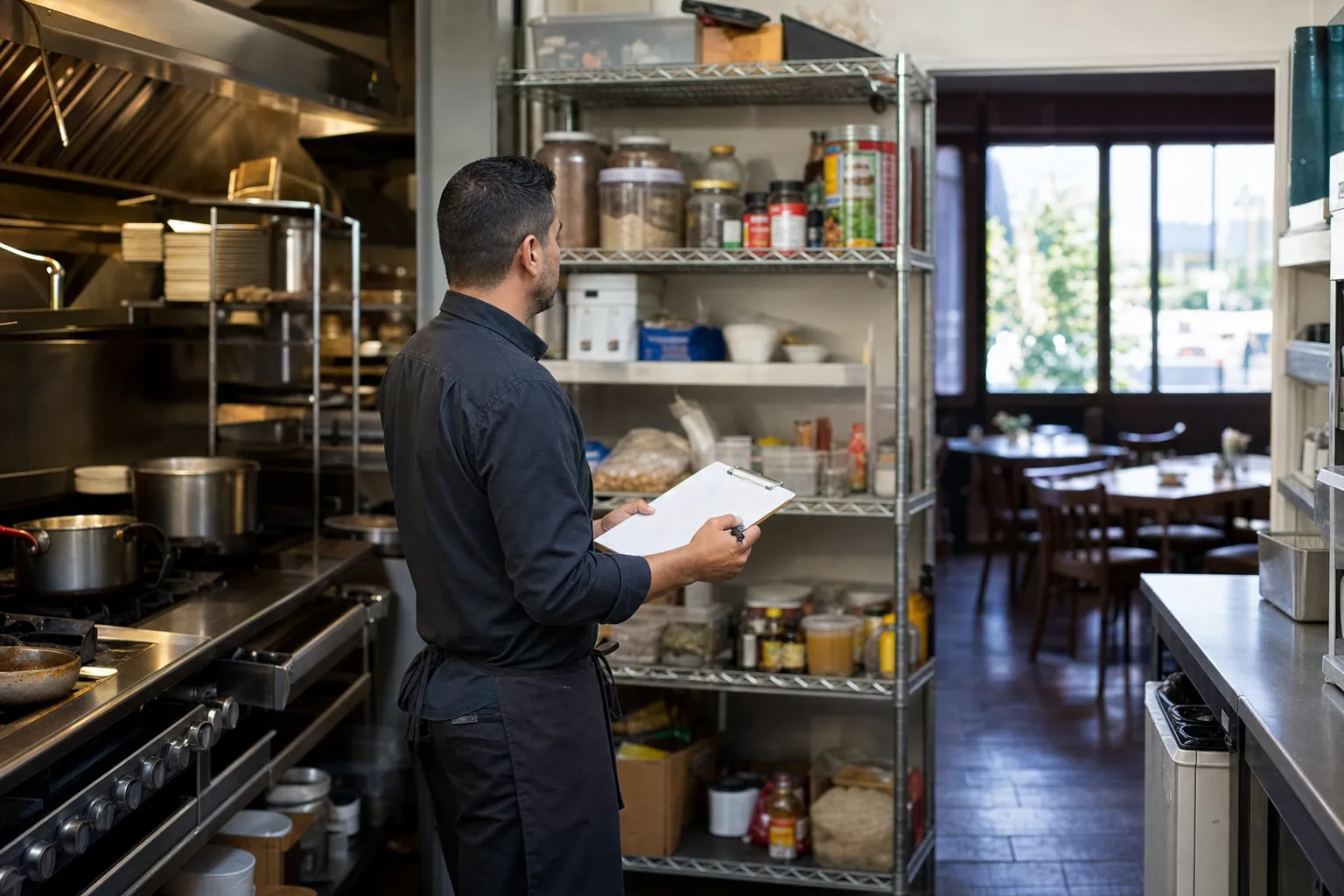
Keep one person responsible for the final event file. That person should know where the signed contract, request, certificate, vendor contacts, site rules, and last-minute changes are stored. A chef or event captain should not have to search a text-message thread for a change in load-in time while guests are arriving. The same file can record delivery instructions, access codes, parking restrictions, venue contact names, equipment rentals, and the person authorized to approve changes at the site.
For recurring venues, update the file when the event changes rather than assuming last year's paperwork still fits. A new menu, more staff, alcohol service, a larger tent, a different kitchen, or an overnight hold can change the practical questions. The goal is not to create a mountain of forms. It is to make sure the operating plan, the client's expectations, and the insurance conversation stay connected as the work evolves.
Include employees, contractors, and temporary help
Event work can make a small business look much bigger for one night. A caterer may use cooks, servers, drivers, bartenders, family members, temporary help, or independent contractors. List who is doing what, who directs the work, and whether the role changes between the kitchen, vehicle, and venue. The point is not to label every person quickly. It is to make sure the business obtains advice based on the real staffing plan.
In Illinois, the Department of Insurance says employers generally must provide workers' compensation insurance for almost everyone they hire, including one part-time employee. There are limited exceptions and facts matter, so owners should use the state's workers' compensation compliance guidance alongside an insurance review. A catering crew should also keep its roles, payroll, and work arrangements organized before the busy season, rather than trying to reconstruct them after an injury.
Food handling and staffing records belong in the same operating folder. Illinois food establishments may have training requirements that depend on the type of operation. The Illinois Department of Public Health's food handler training guidance explains the general training framework and points operators to the details. It is not a substitute for insurance, but it is a useful reminder that coverage, staffing, and food-service procedures should all reflect the same real operation.
Do not leave alcohol service to assumption
Alcohol changes the event conversation. A food-only caterer, a caterer working beside a venue-run bar, a client who supplies alcohol, and a caterer who sells or serves alcohol under a package agreement are not the same arrangement. Before accepting the job, document who buys the alcohol, who owns it, who serves it, who checks identification, who receives payment, who sets service rules, and who can stop service.
Illinois law defines a caterer retailer as a person who serves alcoholic liquor on-site or off-site as an incidental part of food service, with prepared meals and alcohol sold at a contracted package price. Licensing and local rules can be fact-specific, so a business should review the Illinois Liquor Control Act, venue requirements, and its exact service plan rather than assuming one event model applies to another.
For the insurance part of the discussion, start with E&A's liquor liability guide for caterers. It lays out the practical questions that should be resolved before a bar-service event. The right coverage answer depends on the actual policy and facts, but a written breakdown of roles is much better than an assumption made during setup.

Bring a complete event file to the coverage review
A simple event file makes the review faster and more accurate. It should include the signed contract, venue insurance request, legal names and addresses, date and hours, menu and service style, guest count, equipment list, vehicles and drivers, staffing list, rental agreements, alcohol responsibilities, and any unusual setup conditions. Add previous incident information if it exists. This is not paperwork for paperwork's sake. It is the clearest way to show what the business is taking on.
Use the file before booking a new type of work, adding alcohol service, buying a vehicle or trailer, moving to a new kitchen, hiring staff, or agreeing to more demanding venue language. For a single event, see the related catering insurance for a day guide. For broader operating questions, the catering operation insurance guide helps owners map the moving pieces around the work.
How E&A helps caterers prepare
E&A Insurance Group brings restaurant owner-operator experience to food-service coverage conversations. That matters for caterers because the pressure points are practical: the venue deadline, the equipment load, the staffing plan, the route, the contract, and the service details that change from one booking to the next.
If a venue request, new event type, alcohol-service plan, or staffing change has raised a question, request a free coverage review with the event file ready. A real discussion about the work is far more useful before the first pan is loaded than after an assumption has become a problem.
Questions caterers ask
Catering liability insurance FAQs
Is catering liability insurance the same as general liability insurance?
Catering liability insurance is often used as shorthand for the liability questions a catering business needs to review. General liability may be part of that conversation, but the policy wording, endorsements, exclusions, limits, and the way the business operates determine what may apply. A caterer should describe the actual event work instead of relying on a label.
Does a venue need to be listed on a caterer's insurance?
A venue may request a certificate of insurance, additional-insured status, specific limits, or particular contract language. The exact request should be reviewed before the event. A certificate can provide evidence of coverage information, but it does not change the policy on its own.
What insurance questions change when a caterer serves alcohol?
Identify who purchases, sells, serves, supervises, and sets the rules for alcohol, then compare those facts with the event agreement and the policy. Illinois licensing and venue requirements can also matter. Do not assume a food-service policy answers an alcohol-service question.
Do Illinois caterers with employees need workers' compensation insurance?
Illinois generally requires employers to provide workers' compensation insurance for employees, including one part-time employee. Individual circumstances and limited exceptions can matter, so a caterer should confirm its obligations with the appropriate state resource and insurance advisor.
This article is general information, not legal advice or a promise of coverage. Coverage depends on the policy, endorsements, exclusions, limits, and facts of a claim.