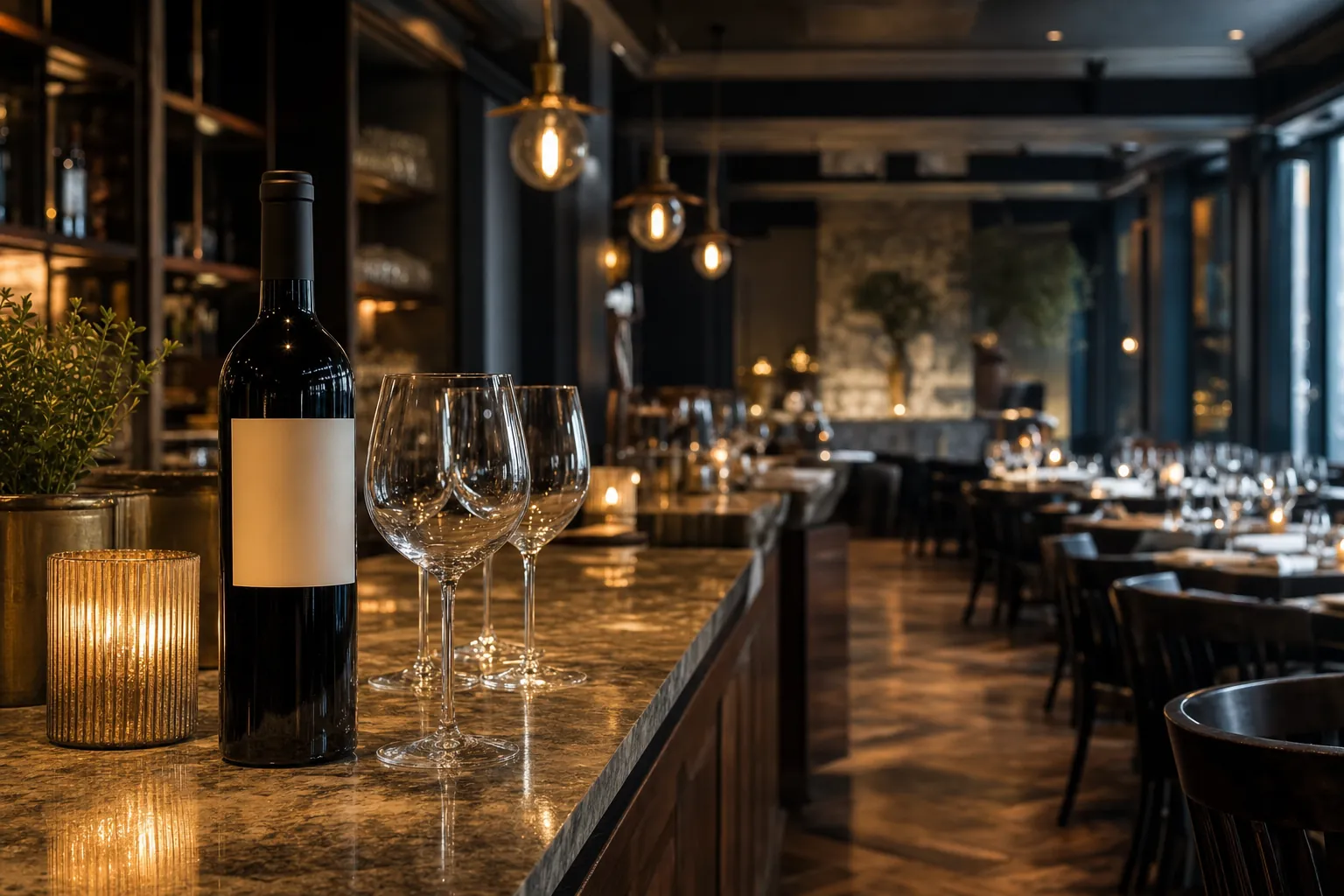
Alcohol service can turn an ordinary catering job into a more complicated event. The caterer may prepare food while a venue pours drinks, supply bartenders under a host’s license, arrange a full bar, transport beverages, or agree to responsibilities in a contract that no one has time to revisit on event day. Each model creates a different set of questions worth resolving before the first glass is poured.
Liquor liability insurance for caterers is not a box to check because a menu includes wine. It is a coverage conversation grounded in the real event: who provides alcohol, who sells it, who serves it, who supervises staff, what the contract says, and what the policy actually covers. This guide helps Illinois caterers organize that conversation before accepting a bar-service job, renewing coverage, or responding to a venue request.
Start by describing the alcohol role plainly
“We cater an event with a bar” is rarely enough detail. A drop-off meal with no alcohol is not the same as a staffed wedding reception. Nor is a catered corporate dinner where the client buys beverages and the caterer supplies bartenders. Write down who purchases alcohol, who owns it before and during the event, who takes payment, who sets service rules, who checks identification, and who can stop service when something looks wrong.
Include the unusual jobs as well as the routine ones. A business that normally provides food may occasionally coordinate a private party with a bartender, handle a tasting event, run a pop-up, or work in a venue with its own bar program. Those exceptions are exactly why an event profile helps. Before promising a client anything, record the event type, guest count, service hours, venue, alcohol source, server roles, contracts, and any special request.
Illinois has separate rules and licensing questions around the sale and service of alcohol. The Illinois Liquor Control Commission is a useful starting point for licensing information, while local rules and the facts of a particular event may also matter. This is not a legal conclusion about a specific event. It is a practical reason to identify the service model early and get qualified guidance where needed.
General liability and liquor liability are not interchangeable
It is tempting to treat a general liability policy as a catch-all answer. That shortcut can create trouble when an event involves alcohol. General liability and liquor-related coverage address different exposure questions, and the answer depends on the policy wording, endorsements, exclusions, limits, and the way the operation works. A coverage review should make those distinctions clear before there is a claim, not after.
Ask direct questions. Does the policy contemplate the way the business handles alcohol? Is the caterer merely providing food, or also staffing and managing bar service? Does the business receive revenue connected to alcohol? Are bartenders employees, subcontractors, or supplied by the venue? Are there conditions, exclusions, or documentation requirements that need attention? Good answers require honest details, not an assumption based on the event’s name.
E&A’s restaurant liquor liability guide explains why alcohol service deserves its own coverage discussion. Caterers face the same need for clarity, with another layer of moving parts: an off-site venue, a client agreement, outside vendors, temporary staff, and a service plan that can change from one event to the next.

Read the venue contract before you accept the event
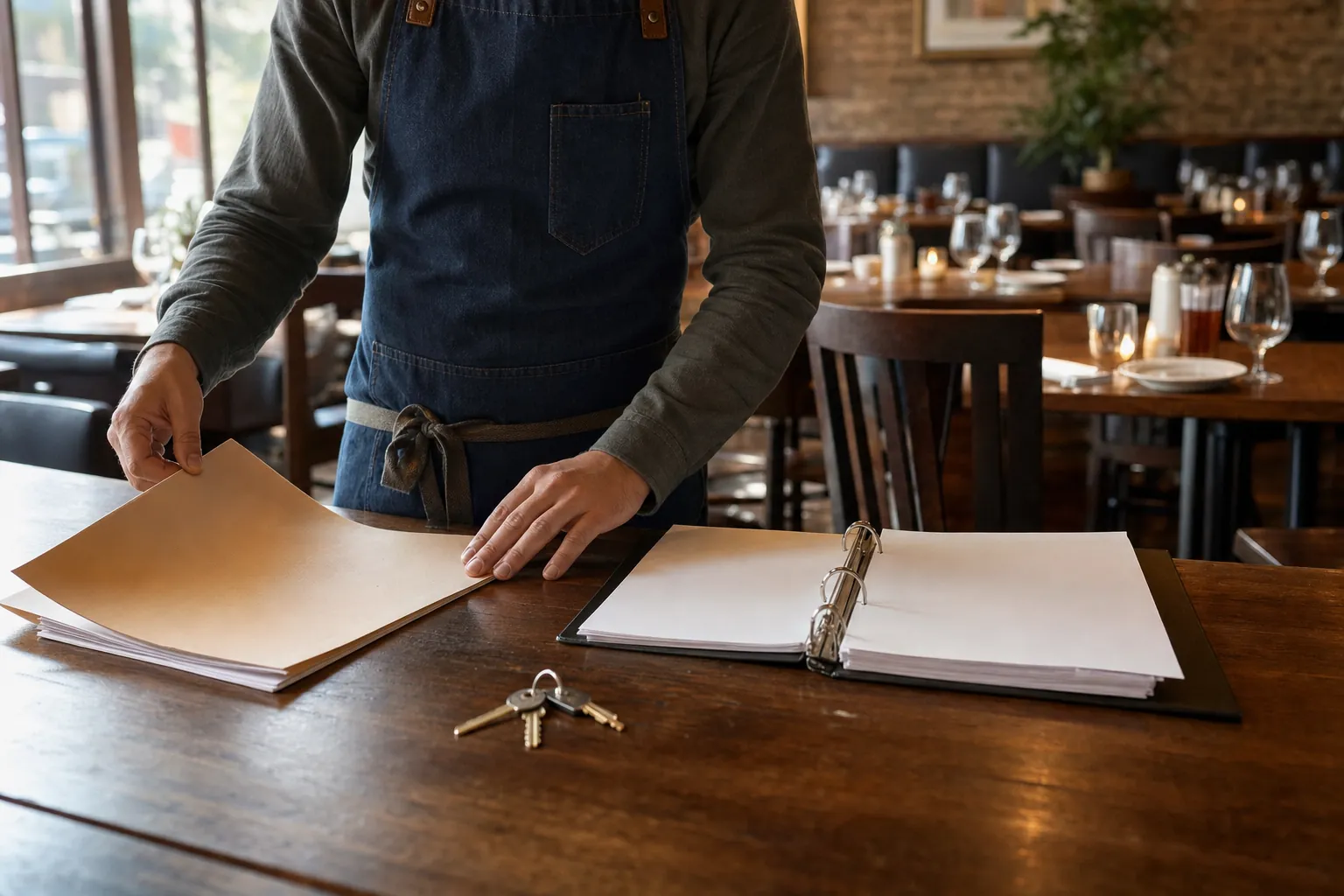
Venues often ask for proof of insurance, specific limits, additional insured wording, or responsibilities connected to alcohol service. Clients may have their own expectations too. Review the packet before the business agrees to a date, signs a contract, or promises a certificate. A request that looks routine can contain responsibilities for rented property, other vendors, service hours, cleanup, staffing, or alcohol that deserve more time.
A certificate is evidence of insurance. It does not rewrite a policy or repair a mismatch between the policy, the service plan, and the signed agreement. Keep venue packets and sample contracts in one organized place, then flag nonstandard wording before the booking becomes urgent. That gives the catering team room to clarify the job rather than trying to solve a coverage question while the truck is being loaded.
For Illinois events, the state’s dram shop provisions are part of the legal context surrounding alcohol-related injuries and property damage. Because legal and coverage obligations depend on the facts, do not make blanket promises to a client or venue. Document the request and bring it to the appropriate advisor.

Staffing, training, and supervision should match the plan
A bar-service event needs more than a menu and a guest count. Identify who will pour, who supervises the servers, who handles a guest concern, how service is paused if needed, and how the team communicates with the venue. If a bartender is supplied by another company, the contract and responsibilities should be understood before service begins. If the caterer hires temporary staff, make sure the job roles are described accurately in the coverage review.
Training and event routines also matter. A pre-event meeting can cover the service schedule, bar location, cash or ticket process, client contact, venue rules, escalation path, and incident documentation. The goal is not to turn the catering crew into lawyers or claims adjusters. It is to make sure everyone knows the plan, keeps reasonable records, and knows when to involve the event lead.
If something does happen, facts are more useful than speculation. Note the time, location, people involved, witnesses, what was observed, and the steps taken. Avoid assigning blame or making coverage promises in the moment. E&A’s restaurant incident report guide offers a useful framework for capturing information while it is still fresh.
Off-site logistics belong in the same review
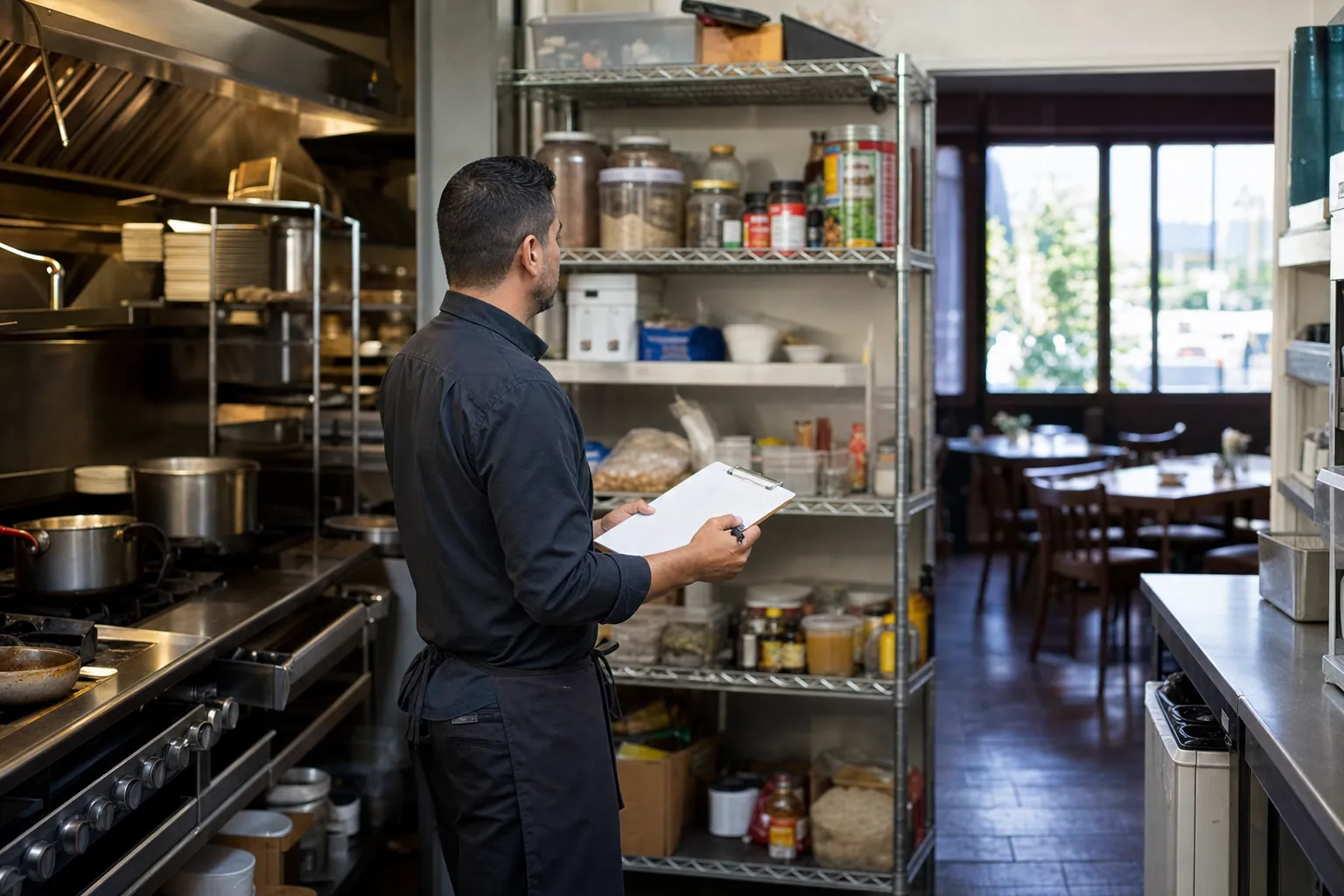
Alcohol service adds to the equipment and logistics already involved in catering. Glassware, bar tools, ice, mixers, rented fixtures, point-of-sale equipment, vehicles, and staff all move between locations. List what the business owns, rents, borrows, stores, and transports. Keep a current equipment inventory and bring vehicle arrangements into the conversation, including employee drivers, trailers, and delivery routes.
Those details help connect the event plan to the whole operation. A caterer might use one kitchen, a shared commissary, a storage unit, a delivery van, and several venues in one week. E&A’s commercial auto coverage overview and catering operation insurance guide can help owners organize the broader questions around transportation, equipment, staff, venues, and contracts.

A pre-event alcohol-service checklist
- Describe exactly who buys, sells, serves, supervises, and transports alcohol.
- Keep the venue packet, client agreement, certificate request, and service plan together before accepting the job.
- Confirm who supplies bartenders, who supervises them, and how venue rules are communicated.
- List the event hours, guest count, bar format, payment process, and any unusual service request.
- Record rented, borrowed, or mobile bar equipment and the vehicle arrangements used to move it.
- Review escalation and incident-reporting expectations with the event lead before service starts.
- Ask how policy limits, endorsements, exclusions, and conditions relate to the actual work.
How E&A helps caterers prepare
E&A Insurance Group brings restaurant owner-operator experience to conversations with food-service businesses. For caterers, that means starting with the practical details behind the event: the kitchen, the venue, the contract, the staff, the bar, the equipment, the vehicle, and the person responsible for each handoff.
Our Illinois caterer insurance page outlines coverage areas worth reviewing for an event-focused food business. When you are preparing for a complex event or reviewing the protection already in place, request a free coverage review and bring the service details that make the conversation specific.
Questions caterers ask
Liquor liability insurance for caterers FAQs
Do caterers need liquor liability insurance?
It depends on the work the caterer performs and the policy terms. A caterer should raise the question whenever it provides, sells, serves, manages, transports, or takes responsibility for alcohol at an event. The service agreement, licensing arrangement, staff roles, and state law all affect the conversation.
Is liquor liability the same as general liability?
No. These are different coverage discussions. General liability should not be treated as an automatic answer to alcohol-related exposure. Ask how the policy, endorsements, exclusions, limits, and actual service model work together before an event.
Can a venue ask a caterer for proof of liquor liability coverage?
A venue or client can request a certificate, particular limits, additional insured wording, or other contract terms. Review the request before accepting the event. A certificate provides evidence of insurance, but it does not change policy terms or resolve a mismatch with the contract.
What should a caterer bring to an insurance review?
Bring sample contracts, venue requirements, alcohol-sales details, staffing roles, bartender arrangements, event types, service hours, vehicle use, and any prior incident information. A clear description of who does what is more useful than a generic description of the business.