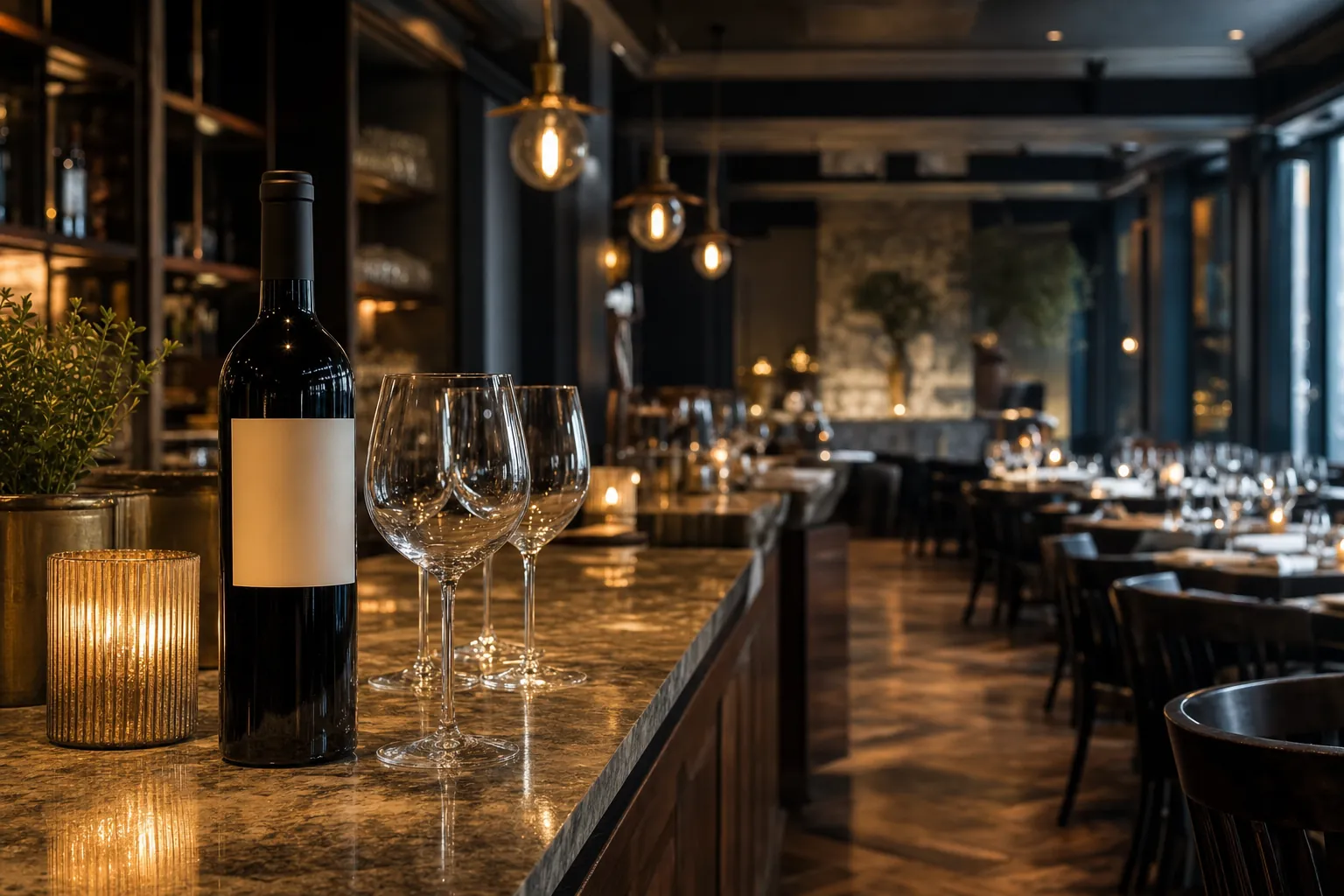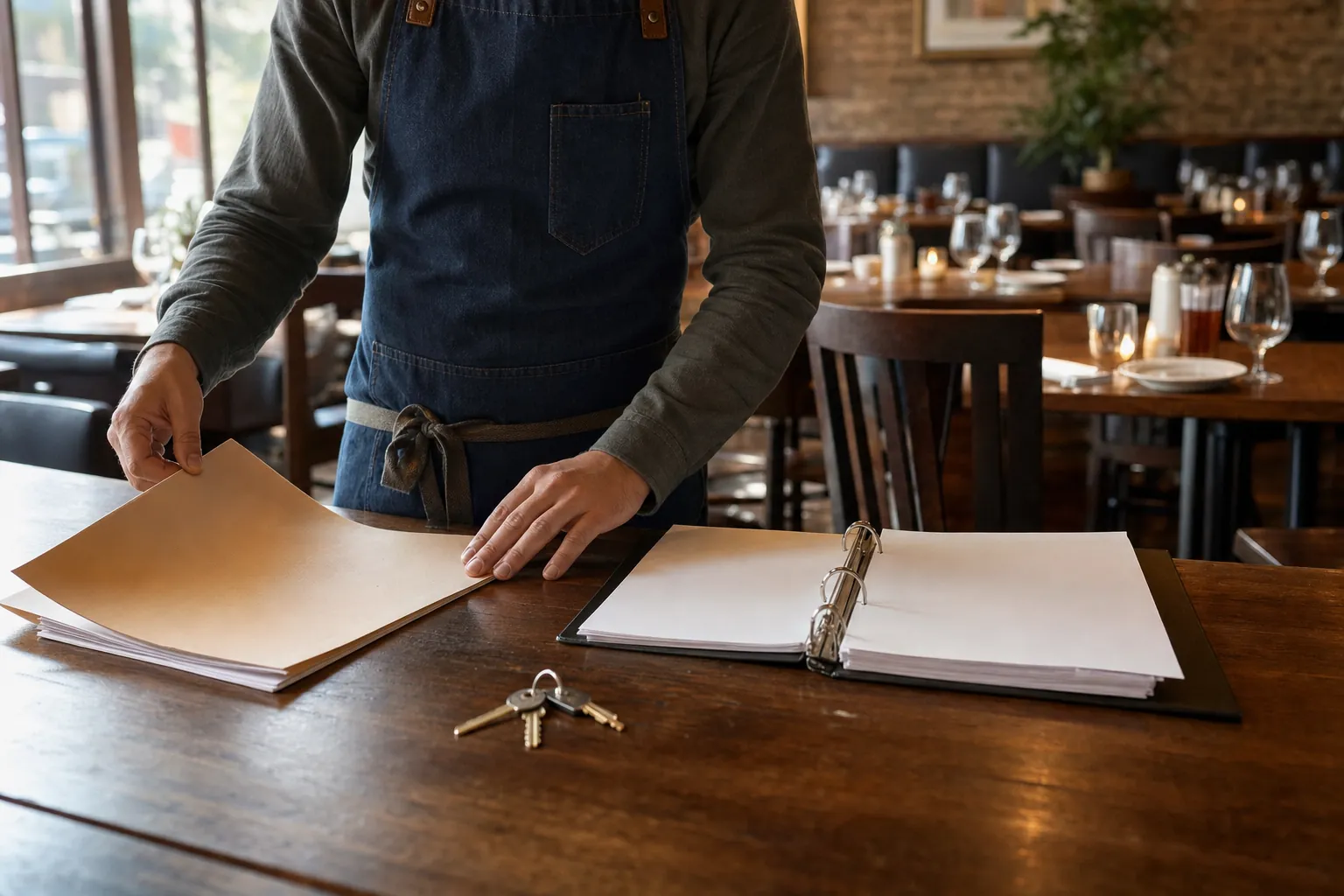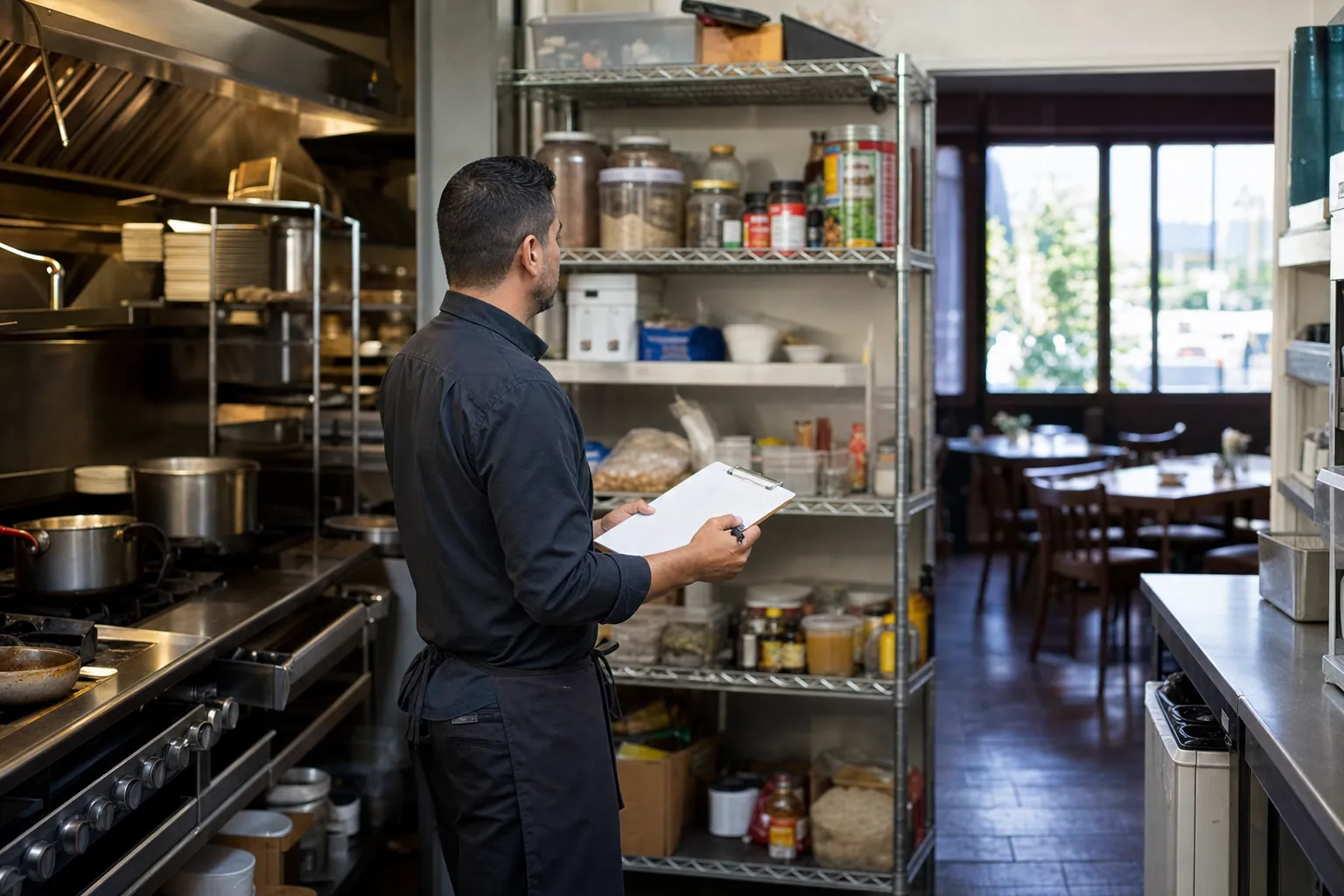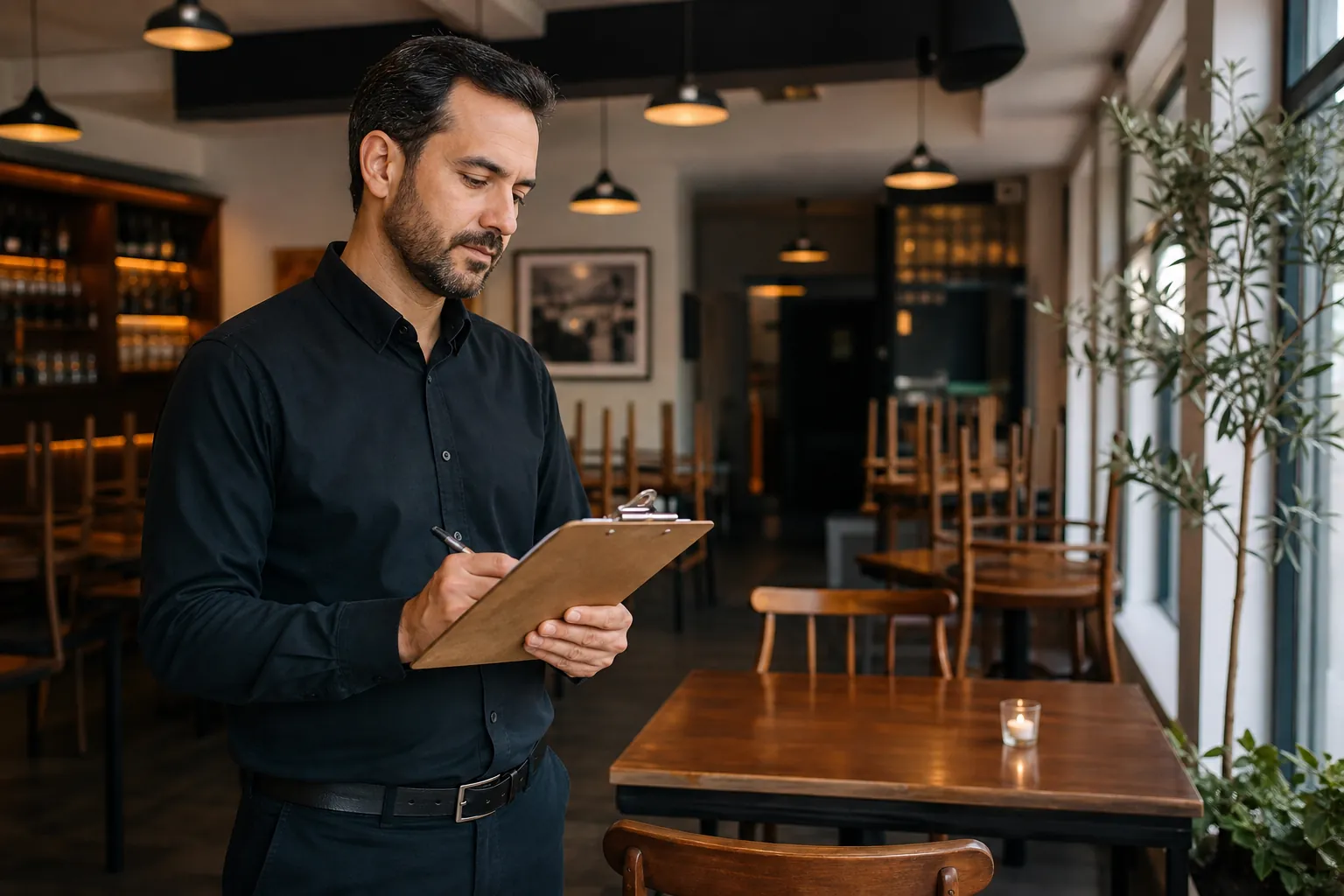
A restaurant closing checklist is more than a cleaning list. It is the last controlled walk through the operation before a tired team goes home, and the first chance to make tomorrow's opening easier. A good close protects food, equipment, cash, people, and the building. It also makes sure a small issue does not disappear between shifts and turn into an expensive surprise.
The strongest checklist is not the longest one. It tells each person what they own, puts work in a sensible order, and gives the closing manager a final view of the whole restaurant. A high-volume dining room, bar, pizza shop, food truck commissary, or quick-service counter will each need different details. The framework below is a practical starting point, then the real operation should shape the final version.
Start the close before the last guest leaves
Closing should not begin with a scramble after the doors lock. As service slows, managers can assign side work that does not compromise hospitality or safety. Refill the next shift's approved stock, clear sections that are truly finished, consolidate trash when it can be done safely, and confirm who is responsible for the kitchen, dining room, bar, cash, and final lock-up. The closer should know what is still open, what equipment is still in use, and whether a guest, delivery, or staff need will change the sequence.
That order matters. Shutting down a station too early can create shortcuts during the final rush. Leaving every task to the end can make the team hurry through the details that protect tomorrow's service. A strong manager works backward from the final walkthrough: food and refrigeration first, then cleaning and reset work, then equipment and cash, then the building. The handoff belongs at the end because it captures what still needs attention when the next team arrives.
Build the checklist around a short closing meeting, even if that meeting only takes two minutes. Confirm the last orders, expected departure time, live equipment, assigned stations, and the manager who has the final key. This small reset makes it easier to see when one person is carrying too much work or when an essential task has no owner. It also gives a newer employee a clear sequence instead of expecting them to learn the close from a rushed verbal reminder.
Close food safely and record what matters
Food storage is not just a back-of-house housekeeping task. Verify that prepared food is covered, labeled, dated, and stored according to the restaurant's food-safety program. Check that raw and ready-to-eat items are properly separated, walk-in doors are closing, and refrigeration temperatures are recorded where the operation requires it. If a unit is warmer than expected, avoid writing it off as tomorrow's problem. Confirm the reading, protect the food according to the restaurant's procedures, and document the issue for a manager or service vendor.
Cooling needs a deliberate process too. The FDA Food Code's cooling guidance describes a two-stage standard for cooked time/temperature control for safety food: from 135°F to 70°F within two hours, then to 41°F or below within a total of six hours. Use the restaurant's local rules and food-safety plan for the applicable requirements, and make sure employees understand the method, not merely the numbers. Shallow pans, smaller portions, ice baths, and appropriate equipment can all support safer cooling when used correctly.
A close is also a good time to make exceptions visible. A broken cooler gasket, an unexplained temperature change, an unmarked container, or a delivery that was left in the wrong place should be logged with the next step and owner. That is more useful than a checklist where every box is marked complete while the next shift inherits an avoidable problem.
Reset the dining room, bar, and kitchen by role
One giant list usually produces vague accountability. Separate the work by the people and places that actually need attention. Front-of-house staff can reset tables, menus, condiment stations, host areas, restrooms, floors, and guest-facing surfaces. Bar staff can follow the operation's procedures for glassware, fruit, garnishes, taps, beverage storage, drains, mats, cash, and alcohol security. Kitchen staff can clean and sanitize food-contact surfaces, break down stations, remove waste, reset dry storage, and leave a clear path for the next shift.
Managers should look for the conditions a rushed close can hide: a wet floor under a bar mat, a blocked exit, an overloaded outlet, a knife left in a sink, a walk-in propped open, a chemical container without a label, or a cart left in a travel path. E&A's before-shift restaurant safety checklist helps connect those everyday details to the conditions staff and guests encounter when the restaurant opens again.
Cleaning instructions should be specific enough to be useful but not pretend every restaurant uses the same products, equipment, or local requirements. Write the actual task, the actual station, and the expected result. “Clean the bar” is vague. “Remove bar mats, clean the floor below them, rinse and hang the mats, and report standing water or a damaged drain” gives a closer and a manager something they can verify.
Shut down equipment without creating a new problem
Equipment shutdown is a sequence, not a switch-flipping contest. Follow the manufacturer guidance and the restaurant's operating procedures for cooking equipment, hoods, fryers, dish machines, beverage systems, point-of-sale devices, lighting, and nonessential power. A manager should know what remains on by design, such as refrigeration or security systems, and what must be checked before the building is locked. If the restaurant has an alarm, cameras, a fire-suppression system, or a monitored temperature system, include the relevant final check in the manager's walkthrough.
Use the same checklist to protect maintenance records. If a piece of equipment was serviced, cleaned, or taken out of use, note the date, the condition observed, and the next step. The point is not to turn a closer into a technician. It is to prevent a recurring issue from being described differently by every shift. A concise, dated handoff can help an owner see a pattern, get a vendor involved earlier, and avoid the disruption of a failure in the middle of service.
When something does not look right, record the facts and protect the area. A leaking ice machine, unusual smell, sparking outlet, damaged cord, fryer issue, or failing refrigerator is not a normal closing task. Keep people away if needed, use the restaurant's emergency or vendor process, and leave a clear handoff. The restaurant kitchen fire prevention guide and insurance inspection checklist offer useful reminders for maintenance, suppression systems, records, and follow-up.
Secure cash, access, and the building
Cash controls should be written for the way the restaurant actually closes checks, tips, deposits, and point-of-sale batches. The objective is consistency and separation of duties where practical, not a generic script. Complete the day's reporting, reconcile according to the operation's process, secure deposits, and identify any variance promptly. Do not leave cash, keys, alcohol, tablets, or guest information in an exposed station simply because the building is about to be locked.
The final building check should include exterior and secondary doors, windows, delivery entrances, patios, storage areas, dumpsters or gates where relevant, lights, alarm procedures, and the condition of the parking or employee exit path. The person with keys should be clear about who leaves last and how a late repair, delivery, or staff issue is handled. A locked front door is not a complete close if a side entrance is unlatched or the alarm was never set.
Make the manager handoff the last required step
The handoff is where a closing checklist becomes an operating tool instead of a stack of old paper. A manager should note anything unfinished, unusual, damaged, low, or likely to affect the next shift: a vendor call, equipment concern, temperature log, employee injury, guest complaint, cash variance, delivery issue, maintenance request, or short-staffing concern. Include who was notified, what was done, and who owns the next action. A brief factual note is enough. The goal is to prevent a problem from being rediscovered after it becomes urgent.
That record also makes coaching fairer. If the same item is missed, the owner can look at the routine, staffing, equipment, and training rather than immediately blaming the last person out the door. If the list is too long, unclear, or out of order, simplify it. If the same issue appears in notes for several nights, move it out of the close and into a repair, purchasing, or manager review. A checklist earns its place when it helps the operation learn, not when it merely creates paperwork.
Keep completed checklists only as long as they serve a real operating purpose, and make them easy for the next manager to find. A simple paper binder, shared closing log, or approved digital record can work when the team uses it consistently. The format matters less than a clear record, a visible owner, and a reliable response when an exception appears.
When a condition involves an injury, property damage, a customer allegation, or a near miss, use the restaurant's incident process rather than improvising at midnight. E&A's restaurant incident report guide explains how to capture facts, preserve useful details, and separate observations from conclusions. A checklist should direct the manager to that process, not ask a closer to decide blame or promise that a policy will cover an event.
A practical restaurant closing checklist
- Assign each closing area to a named role before service ends.
- Store, label, date, and verify food according to the restaurant's food-safety procedures.
- Record required refrigeration and cooling checks, and escalate an exception promptly.
- Clean and reset front-of-house, bar, kitchen, restrooms, and waste areas by station.
- Inspect floors, exits, walkways, drains, and equipment for hazards or damage.
- Follow the operation's shutdown procedures for cooking, ventilation, dishwashing, point-of-sale, lighting, and security systems.
- Complete cash and deposit controls using the restaurant's actual reconciliation process.
- Lock and check every relevant entrance, window, storage area, and exterior access point.
- Write a concise manager handoff with any unfinished, unusual, damaged, or urgent item.
- Complete a final walkthrough before the last person leaves.
How E&A helps restaurant owners prepare
E&A Insurance Group brings more than 35 years of restaurant owner-operator perspective to the coverage conversation. That perspective matters because a restaurant close is not abstract. It is the moment a manager needs to protect the food, building, people, records, and next shift with the team they have at the end of a long day.
Use this checklist as a starting point for the operation you run. Then review E&A's restaurant risk management checklist, explore the coverage overview, or send a free quote request when you want to discuss the details behind the policy.
Questions owners ask
Restaurant closing checklist FAQs
What should be on a restaurant closing checklist?
A useful restaurant closing checklist covers food storage and temperature records, cleaning and sanitation, equipment status, cash and point-of-sale controls, building security, and a clear manager handoff for anything unfinished or unusual.
Who should complete the restaurant closing checklist?
Assign closing tasks by station or role, then give one manager the final walkthrough and sign-off. A shared list without clear ownership becomes a list everyone assumes someone else handled.
How can a restaurant make closing checklists more consistent?
Keep the list specific to the actual operation, place tasks in the order they happen, make completion visible, and record exceptions. Review repeated misses with the team and adjust the routine rather than simply adding more boxes.
Should a closing checklist include insurance tasks?
It should not ask staff to make coverage decisions. It can, however, require managers to record property damage, injuries, unsafe conditions, or an unresolved issue and follow the restaurant's escalation plan so the right people can decide what to do next.