
A tavern can be a neighborhood gathering place, a late-night bar, a pub with a kitchen, or a room that fills up around a game, entertainment, and a busy weekend. The insurance conversation should reflect the business you actually run, not a generic label on an application.
E&A Insurance Group helps Illinois tavern owners organize the questions behind the people, property, alcohol service, equipment, income, and commitments that keep the operation moving. The goal is a practical review that makes the next decision clearer, whether you are opening, renewing, changing the business, or responding to a requirement from a landlord, lender, venue, or vendor.
That perspective comes from more than 35 years on the owner-operator side of the restaurant business. Tom Traina has owned Subway franchises, an independent fast-casual restaurant, and a full-service restaurant and bar with property. E&A understands that a tavern owner is managing a room, a team, a building, and a customer experience at the same time. Coverage should begin with those realities.
Start with the kind of tavern you run
Two taverns may both serve beer, wine, and spirits, yet operate very differently. One may focus on food and early-evening regulars. One may stay open late with a full bar. Another may host private parties, offer a patio, bring in entertainment, run a kitchen, or depend on a packed weekend to carry the week. Those details can change the questions worth discussing.
Begin with an accurate picture of normal service. Describe how guests order and move through the space, who serves alcohol, which employees open and close, how food is prepared, what equipment the business owns, and which parts of the operation are leased or shared with others. Include hours, sales, payroll, the building, any outdoor area, and every location or legal entity connected to the business.
The less a coverage conversation has to assume, the better it can address the details that matter to your operation. An application is not just paperwork. It is the starting picture of the business that needs protection when a guest is hurt, equipment fails, property is damaged, or service cannot continue as planned.
Alcohol service deserves a specific review
Alcohol service is central to many taverns, so it should be discussed directly rather than folded into a broad business description. A dinner spot with a modest beverage program can have different questions from a tavern centered on bar service, a busy Friday night, private events, or later hours. The way drinks are sold and served, the role of managers and bartenders, and the activities taking place in the room all belong in the conversation.
Liquor liability is an important topic, but it should be reviewed alongside the rest of the program. General liability, property, income protection, workers compensation, and umbrella coverage can all matter when a loss affects more than one part of the business. Policy wording, limits, exclusions, endorsements, and the facts of a claim determine what may apply, so a familiar policy name is not a complete answer on its own.
E&A's Illinois liquor liability insurance guide offers a closer look at the alcohol-service questions to bring to a coverage review.
Protect the building, equipment, and income behind service
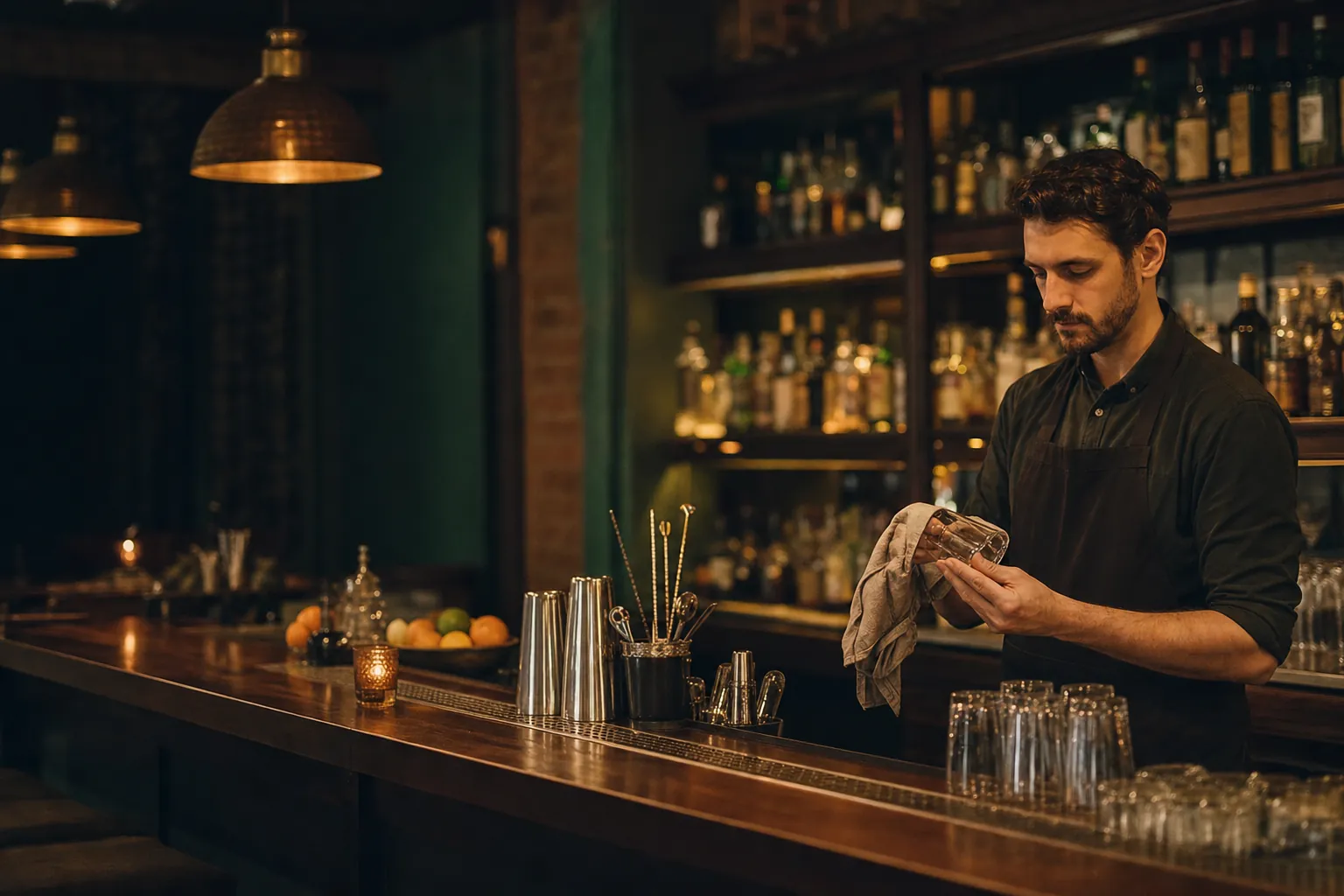
The bar top and dining room may be what guests see, but a tavern depends on far more. Refrigeration, draft systems, point-of-sale equipment, kitchen equipment, furniture, inventory, signs, and tenant improvements can all be essential to getting the doors open for the next shift. The building itself may be owned, leased, or part of an arrangement with responsibilities that should be understood before a problem occurs.
A fire, water problem, theft, equipment failure, or other covered event can affect both physical property and the revenue the business expects to earn. That is why a tavern owner should consider the operation as a connected whole: the property, the equipment, the supplier relationships, the staff schedule, and the commitments already made to guests and event clients. The goal is to identify the questions while there is time to review them carefully.
Lease and lender requirements should be part of this review. A landlord may require particular limits, certificates, or additional insured wording. Bring those documents into the conversation early, especially before a new lease, renovation, or expansion. It is much easier to clarify what a contract requires before a signature or a deadline creates pressure.
Owners with a building interest should raise that early as well. The premises, tenant improvements, equipment, and income from the operation can create a different conversation from a tavern leasing one room in a larger property. A clear ownership picture helps keep the coverage review tied to the responsibilities the business actually carries.
Staff, guests, and busy shifts create connected risks
A tavern team may handle opening, closing, service, food preparation, cleaning, cash, inventory, deliveries, and guest issues in the same shift. The work is physical and fast-moving. Payroll, job duties, seasonal staff, management responsibilities, and the way people work across the operation should all be described accurately. E&A's workers compensation guidance for restaurants explains why the real duties behind a role matter.
Guest-facing activity matters too. A crowded room, a wet entry, food service, a patio, an event, a delivery pickup, or a change in the flow of the bar can create a different kind of liability discussion. A focused review can connect those details with the broader restaurant liability insurance guidance E&A provides for Illinois food and beverage owners.
This is not about assuming the worst. It is about making sure a policy discussion is based on the business as it operates during a real service, not the simplified version that fits in a short description.
Review changes before they become urgent
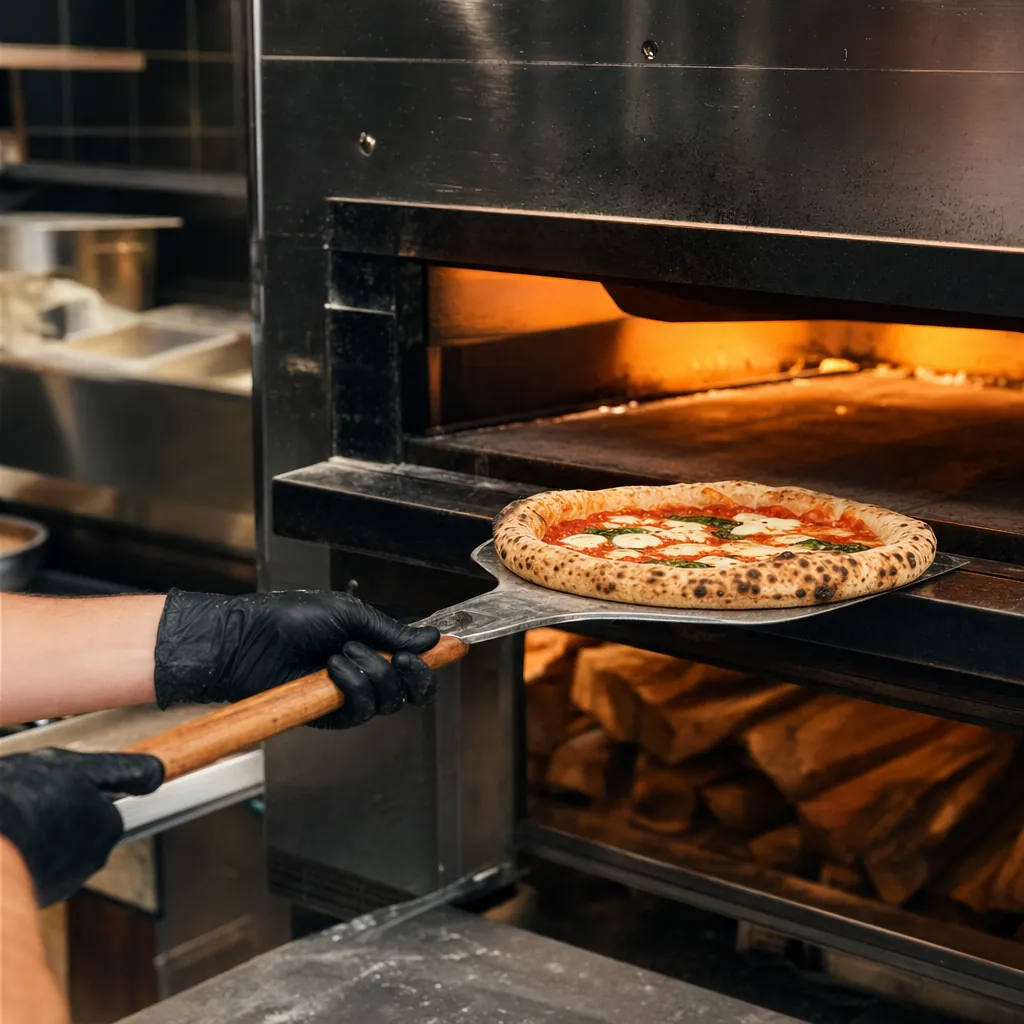
Renewal is useful, but it should not be the only time a tavern looks at insurance. A new patio, later hours, more food service, live entertainment, private events, delivery, new equipment, a building purchase, a new lease, a second location, a change in ownership, or a different alcohol program can all change the facts worth discussing. Raise those changes before the first busy night under the new arrangement.
The same is true of contracts. Event clients, vendors, landlords, lenders, and delivery partners may ask for a certificate or specific terms. Share the request early so the coverage conversation can happen before the business has committed to something it has to solve in a rush.
E&A works with restaurants, bars, taverns, pizzerias, food trucks, caterers, banquet halls, convenience stores, and liquor stores throughout Chicagoland. You can explore the full range of restaurant coverage considerations when you need to look beyond one policy or one operating change.
Bring a current picture of the business
A useful tavern insurance quote request starts with a candid view of the business you run today and the changes you expect next. Be ready to discuss the locations, ownership, estimated sales, payroll, alcohol and food service, hours, employees, property, equipment, prior coverage, claims history, contracts, events, and future plans. You do not need to have every document perfect before the first conversation. You do need the details that make your tavern distinct.
E&A can help organize the questions around that picture, so the coverage review is grounded in your guests, your team, your property, and the work required to keep service moving.
Frequently asked questions
What insurance should an Illinois tavern review?
A tavern owner commonly starts with general liability, commercial property, liquor liability, business interruption, and workers compensation when there are employees. Commercial auto, umbrella coverage, employment practices coverage, equipment breakdown, and cyber coverage can also be relevant depending on the operation and policy terms.
Is liquor liability the only coverage a tavern needs?
No. Alcohol service is an important part of a tavern insurance conversation, but it is one part of the business. Guests, staff, the building, equipment, food service, contracts, income, and day-to-day operations can each create coverage questions that should be reviewed together.
What should a tavern owner bring to an insurance review?
Bring a current view of the business: alcohol and food sales, hours, staffing, payroll, property and equipment, lease or lender requirements, prior coverage and claims, events or entertainment, contracts, and planned changes. The more accurately the operation is described, the more useful the conversation can be.
When should a tavern update its insurance?
Review it before meaningful changes, including later hours, a new patio, live entertainment, private events, food service, delivery, a new lease, a new location, ownership changes, major equipment purchases, or changes in alcohol sales and service.