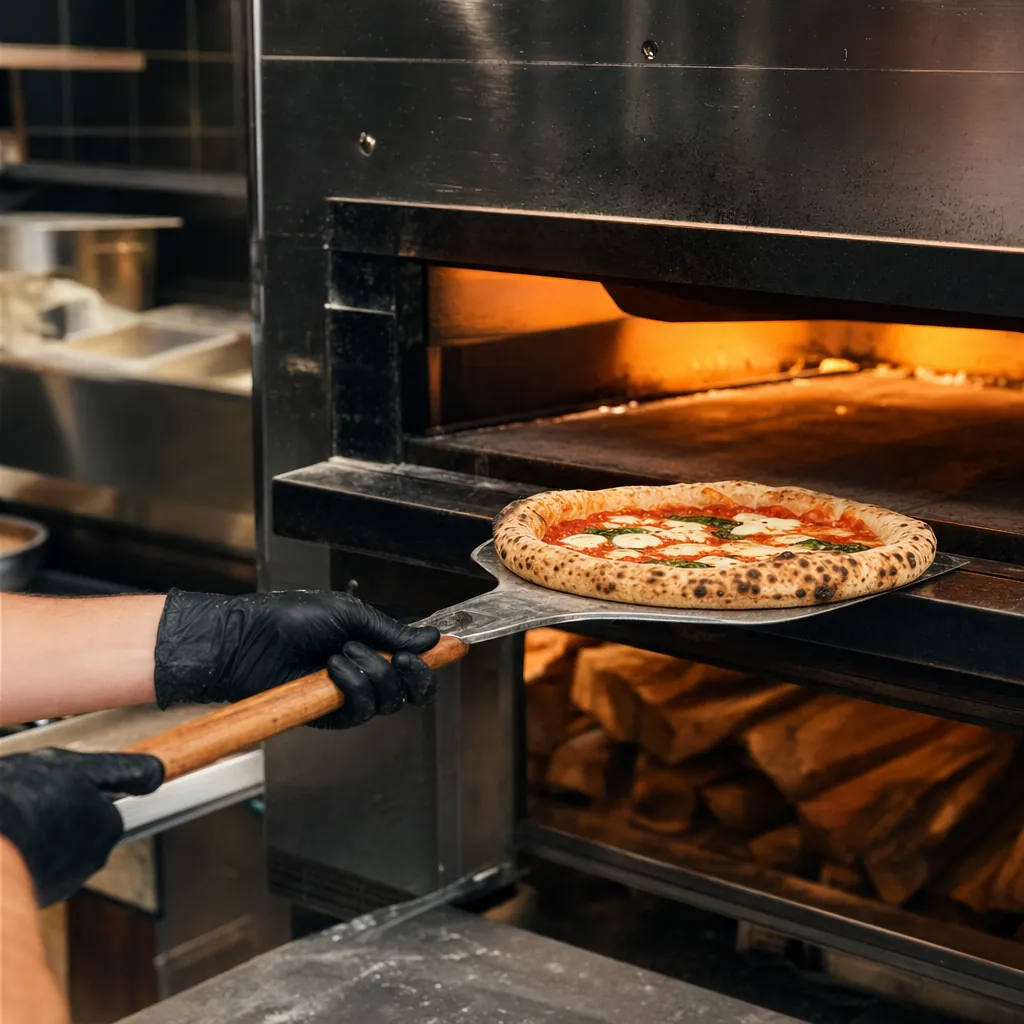
Restaurant insurance cost is not a number you can understand from a quick category search. A neighborhood pizza shop, a full-service restaurant with a bar, and a caterer using a commissary kitchen can all serve food, yet the details that shape their insurance needs are very different. A useful quote starts with those details.
E&A Insurance Group helps restaurant owners organize the story behind the application before comparing options. That matters because a premium reflects more than a restaurant name, an address, or annual sales. The service model, property, people, equipment, alcohol exposure, contracts, vehicles, claim history, and policy choices all affect the conversation. The goal is not to promise a shortcut price. It is to help you make a clear, informed decision about what the business is carrying.
Start with the restaurant you operate today
Accurate information is the starting point for a more useful quote. Begin with the legal business name, every operating location, the ownership structure, the type of food service, the square footage, and whether you own or lease the space. Include annual sales and payroll, along with the number of employees, their work, and how shifts are staffed. A daytime counter-service operation faces a different set of questions than a late-night dining room, a food truck, or a restaurant that hosts private events.
Describe how guests order and how food reaches them. Dine-in, carryout, delivery, drive-through, catering, pop-ups, and third-party delivery arrangements can each add practical questions. The same is true when a business adds a patio, changes hours, expands a kitchen, acquires equipment, or opens another location. Sharing the change early gives the coverage conversation a chance to keep up with the business instead of catching up after a problem.
What commonly shapes a restaurant insurance quote
Insurance companies consider the facts of the specific operation and the coverage being requested. These are common areas that can affect what is reviewed when a restaurant seeks a quote:
- Property and equipment: The building responsibility, tenant improvements, kitchen equipment, refrigeration, contents, inventory, and the protection already in place can all matter.
- Sales and service style: Food sales, alcohol sales, catering, events, delivery, drive-through service, late hours, and the guest experience change the operating picture.
- Payroll and staffing: The number of employees, job duties, payroll, hiring practices, and prior workplace injuries are relevant to the protection a business reviews for its team.
- Alcohol service: Beer, wine, spirits, bartending, promotions, private events, and service hours deserve their own focused conversation.
- Vehicles and off-site work: Company-owned vehicles, employee driving, food trucks, delivery, mobile equipment, and off-site catering can require an additional look.
- Claims and loss control: Prior claims, maintenance practices, training, fire protection, food safety, security, and the steps an owner takes to manage risk provide useful context.
- Coverage choices: Limits, deductibles, exclusions, endorsements, and the way multiple policies work together affect both the premium and the protection being considered.
These are not boxes to rush through. They are the operating facts that help a restaurant owner compare coverage with more confidence. For a broader look at the policies that often work together, explore E&A's restaurant insurance coverage guide.
Alcohol service deserves a separate conversation
Restaurants that serve alcohol should not treat liquor liability as an afterthought. The right questions go beyond whether the business has a bar. Who sells and serves alcohol? How much of the business comes from alcohol sales? Are there catered events, private parties, patios, live entertainment, promotions, delivery, or late hours? What do the lease, lender, franchise, event venue, or liquor-license requirements say?
Those details can affect the coverage approach and the documents a restaurant needs to provide. They also help an owner avoid comparing two quotes that appear similar but answer very different operational questions. E&A's Illinois liquor liability insurance guide explains the coverage discussion in more detail for food and beverage businesses that serve alcohol.

Compare more than the premium
A quote is most helpful when it makes the tradeoffs visible. A lower price may reflect a different deductible, a lower limit, an exclusion, a missing endorsement, or a policy that does not respond to a contract requirement. That does not automatically make it a poor option, but it does mean the owner needs to understand what is different before choosing it.
Bring your current policies, declarations, and any quote proposals into the conversation when you can. A landlord's insurance clause, lender request, franchise requirement, event agreement, or vendor contract can be just as important as the coverage label. The same is true for deductible comfort, the value of equipment and inventory, and the income the restaurant depends on if a covered event interrupts operations.
E&A's perspective is grounded in restaurant ownership experience. The team understands why a busy weekend, a new lease, a damaged cooler, a delivery program, or an alcohol-service event can change the stakes. That practical context helps keep the conversation tied to the work and assets you are protecting, not simply a generic business category.
Renewal time is a useful checkpoint
A renewal is a natural time to revisit the facts that may have changed since the policy was first written. Restaurant owners are often focused on staffing, food costs, equipment, and the next busy shift, so an insurance detail can be easy to postpone. Take stock of new locations, equipment purchases, remodeled space, delivery or catering growth, a revised alcohol program, changes in payroll, and any new contract requirements. Those changes may not call for the same coverage discussion as the prior year.
This is also the right moment to ask practical questions about the policy already in place. What property values are being used? Which deductibles would apply to a loss? Is the business interruption conversation still connected to the income and expenses the restaurant carries? Does the coverage reflect the way alcohol, delivery, catering, or vehicles are used now? Reviewing the answers before renewal creates more room to make a considered decision than reacting after a deadline or a loss.
If a restaurant has experienced a claim, the renewal conversation can also be an opportunity to discuss what changed afterward. A repaired kitchen, new safety practice, adjusted staffing plan, or documented maintenance routine can help tell the current story of the operation. The goal is a fair, complete picture, not a rushed form that misses the progress the business has made.
Bring these details to your quote request
You do not need to have every document in hand before starting a conversation. However, the following information can make the next step more productive:
- Current insurance declarations and recent claims information, when available.
- Annual revenue, payroll, employee roles, and a description of the service model.
- Details on the location, kitchen equipment, tenant improvements, property values, and whether the building is owned or leased.
- Alcohol sales, service practices, special events, catering, delivery, vehicles, and off-site work.
- Lease, lender, franchise, vendor, or event requirements that the policy needs to support.
- Planned changes, such as a new location, patio, bar program, equipment purchase, or expansion into catering.
A quote request is a chance to put the operation into context. E&A can help you identify what needs a closer look, compare the options available, and move toward coverage that makes sense for the way your restaurant works.
Restaurant insurance cost questions
How much does restaurant insurance cost?
There is no reliable one-price answer because the cost depends on the restaurant, its location, its sales, its payroll, its property, its alcohol service, its claims history, and the coverage choices being considered. A useful quote starts with the real details of the operation instead of a generic category.
Does serving alcohol affect restaurant insurance cost?
Alcohol service can change the coverage conversation. The type of alcohol service, annual alcohol sales, hours, events, delivery or catering activity, staffing, contracts, and the policy structure all deserve a careful review. Illinois restaurants should also consider the requirements tied to their own licenses and agreements.
What should I bring to a restaurant insurance quote conversation?
Bring the current policies, loss runs when available, lease or lender requirements, revenue and payroll information, details on locations and equipment, vehicle use, alcohol sales, operations such as delivery or catering, and any upcoming business changes. Those details make it easier to compare meaningful options.
Can I lower my restaurant insurance cost by choosing less coverage?
A lower premium is only one part of the decision. Lower limits, different deductibles, exclusions, missing endorsements, or a policy that does not match a contract can change what the business is carrying after a claim. Compare the coverage purpose and tradeoffs, not only the premium.