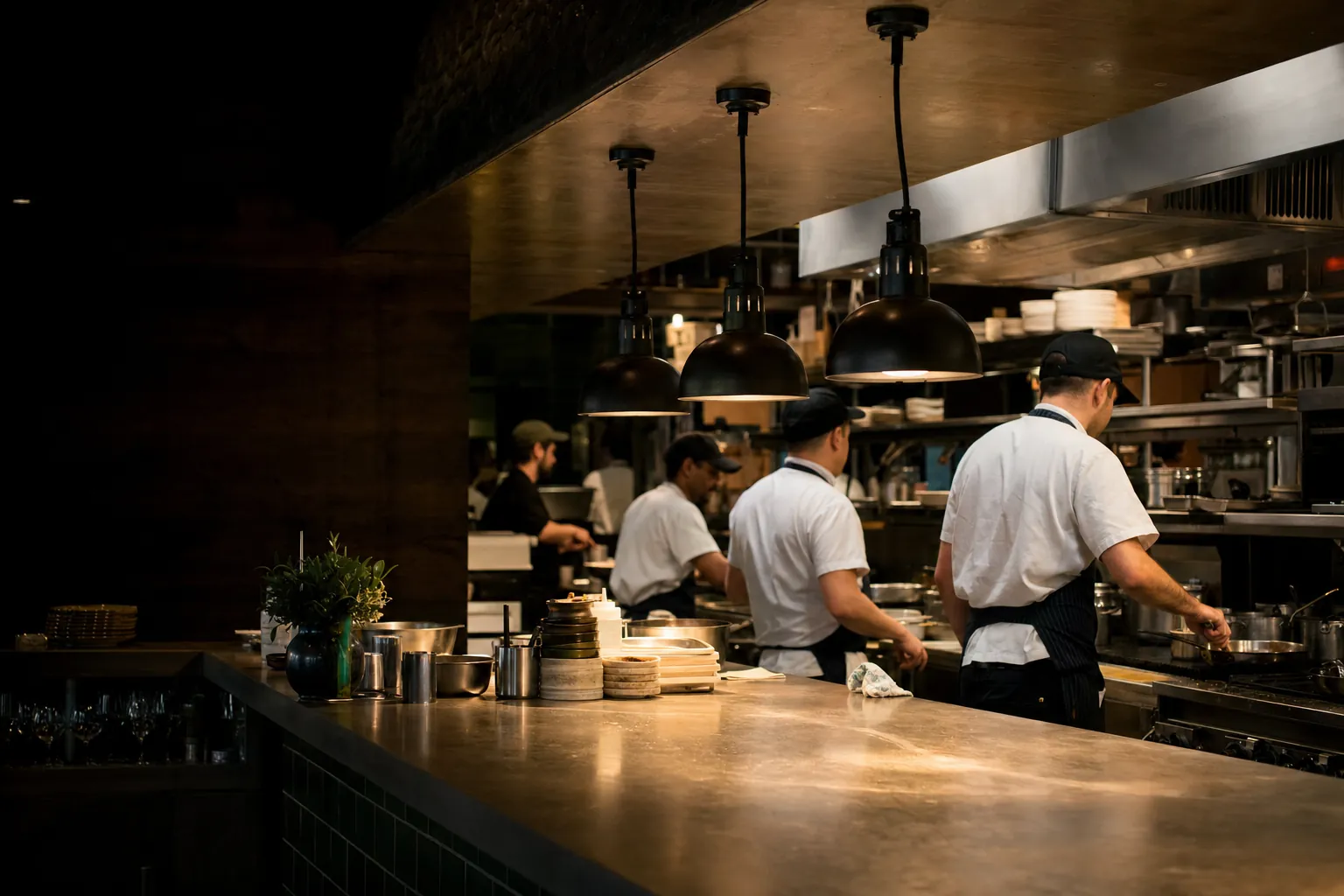
A restaurant insurance conversation should begin with the operation you actually run. The way guests order, the hours you keep, the alcohol you serve, the people you employ, and the space you occupy all shape the questions worth asking. E&A Insurance Group helps Illinois food and beverage owners look past a generic policy label and focus on the coverage decisions that fit the business.
That perspective comes from more than 35 years on the owner-operator side of the restaurant business. Whether you run a neighborhood restaurant, bar, pizza place, food truck, banquet hall, convenience store, or liquor store, your operation has its own rhythm. Good insurance guidance takes that rhythm seriously before a claim, a lease requirement, or a renewal forces the issue.
Start with the way your restaurant works
Two restaurants can have the same square footage and similar sales, yet face very different exposures. A carryout counter with a few employees does not operate like a full-service dining room with a bar, patio, private events, delivery drivers, and late-night hours. The right conversation starts with the details: what you serve, how guests move through the space, who is on shift, what equipment keeps the kitchen running, and what could interrupt the income the business depends on.
That is why an application should do more than place a business in the broad category of restaurant. Tell the full story of the operation. Include every location and legal entity, the ownership structure, food and alcohol sales, catering or delivery activity, property responsibilities, staffing, vehicles, prior claims, and planned changes. A more accurate picture makes it easier to spot questions before they become unpleasant surprises.
Illinois owners also have practical obligations outside the policy itself. A landlord may require certain limits or additional insured language. A lender may ask for proof of coverage. A franchise, vendor, event venue, or delivery partner may have contract requirements. Bring those documents into the discussion early, so your coverage approach supports the agreements your business has already made.
For a broader picture of the market your business operates in, see E&A's Illinois restaurant industry statistics, including current statewide restaurant, employment, sales, and wage figures.
Get advice from someone who knows the restaurant side
A restaurant owner does not need another conversation that starts and ends with a form. You need someone who understands why a packed Friday night, a new lease, an added patio, a delivery program, or a broken piece of kitchen equipment can change the stakes. Tom Traina's background includes owning Subway franchises, an independent fast-casual restaurant, and a full-service restaurant and bar with property. That experience helps E&A ask practical questions that a generic commercial insurance process can miss.
The goal is not to make insurance more complicated. It is to make the decision clearer. You should understand what the policy is designed to address, what needs a closer look, and what information to share when the business changes. An independent conversation can also help you compare more than premium alone, including limits, exclusions, deductibles, endorsements, contract obligations, and how the coverage fits with the rest of the operation.
E&A is based in Barrington and works with food and beverage owners across Chicagoland. When you speak with the team, the conversation can begin with the work you do every day, then move toward a coverage approach that makes sense for that work, your property, and the people who rely on the business, every shift, and every season.

Coverage questions Illinois restaurant owners should review
Restaurant insurance is rarely one policy with one answer. It is a collection of protections that should work together. The exact coverage, limits, deductibles, exclusions, endorsements, and conditions depend on the policy and the business, but a practical review commonly includes the following areas:
- General liability: A core consideration for customer injuries, property damage claims, and other everyday exposures that come with welcoming people into your business.
- Commercial property: Questions around the building, tenant improvements, kitchen equipment, furniture, inventory, and business contents.
- Business interruption: Support to consider when a covered event disrupts the income your operation relies on.
- Workers compensation: Protection to review for work-related injuries involving the team that keeps every shift moving.
- Liquor liability: A focused discussion for bars, taverns, and restaurants that serve alcohol, including beer and wine programs, events, catering, and late-night service.
- Additional considerations: Commercial auto, product liability, cyber, equipment breakdown, spoilage, employment practices, and umbrella coverage may deserve attention as the operation requires.
The useful question is not whether a policy has a familiar name. It is how the policies work together when your particular restaurant has a problem. E&A can help you organize that conversation and compare it against the way the business actually earns its revenue. For a fuller view of the common building blocks, see E&A's restaurant insurance coverage guide.
Alcohol service needs a specific conversation
For Illinois restaurants and bars, alcohol service is not a small detail. It can affect the policy structure, limits, contracts, employee practices, and what needs to be disclosed about the business. A restaurant that only serves beer and wine can still have different questions from a restaurant with a full bar, event space, patio, delivery activity, or extended hours.
Share how alcohol is sold and served, who can serve it, how managers handle difficult situations, whether you host private events or cater off-site, and what changes are planned. This is not about making the business sound more complicated than it is. It is about making sure the insurance discussion reflects a real Saturday night, not a simplified version of the operation.
If alcohol is part of the business, E&A's liquor liability guide for restaurant owners covers the practical questions worth taking into a coverage review.
When a restaurant should revisit its insurance
Renewal is an important checkpoint, but it should not be the only time your insurance gets attention. Contact E&A when the operation changes in a meaningful way. Buying or leasing another location, expanding a patio, opening a bar, adding a new concept, beginning delivery, taking on more catering, changing ownership, purchasing major equipment, or extending hours can all change the facts behind the policy.
Keep the conversation current when the business is growing, not only when a certificate is due. A short review ahead of a change gives you time to understand the tradeoffs, gather required documents, and address contract requirements without trying to solve everything under pressure.
Bring the right details to a quote conversation
A useful quote request starts with clear information. Be prepared to discuss the kind of restaurant you run, the location or locations, projected revenue, payroll, employees, alcohol sales, delivery or catering, prior insurance and claims history, equipment, vehicles, property ownership, and any lease or lender requirements. You do not need every answer at the first call. You do need a candid picture of the operation and the changes on the horizon.
E&A works with food and beverage businesses across Chicagoland, from independent restaurants and franchises to pizza places, bars, banquet halls, food trucks, convenience stores, and liquor stores. You can see the range of operations E&A supports on the businesses we insure page.
Restaurant insurance questions
What insurance should an Illinois restaurant consider?
Most restaurant owners start by reviewing general liability, commercial property, business interruption, workers compensation, and coverage for alcohol service when it applies. Commercial auto, cyber, equipment breakdown, product liability, umbrella coverage, and employment practices coverage can also matter depending on the operation.
Do Illinois restaurants that serve alcohol need liquor liability insurance?
A restaurant that serves alcohol should review liquor liability carefully. Whether it is needed and how it should be structured depends on the policy, alcohol service, events, hours, delivery or catering activity, contracts, and the operation's overall exposure.
What information helps when requesting restaurant insurance?
Have a clear picture of the restaurant's locations, ownership, sales, payroll, service style, alcohol sales, prior claims, equipment, vehicle use, contracts, and any planned changes. Accurate details lead to a more useful coverage discussion.
When should a restaurant update its insurance?
Contact your insurance advisor when the business opens a location, signs a new lease, changes ownership, adds a bar or patio, expands catering or delivery, buys equipment, changes hours, or takes on a new event schedule. Do not wait for the annual renewal when a meaningful operational change occurs.